May’s Breakout Hit: How Mixtape Used Perfect Curation to Stun the Gaming World
Mixtape Game Review: How a Legendary '90s Soundtrack Created May’s Surprise Hit
Discover Mixtape, the hit indie game from Beethoven + Dinosaur! Our definitive 2026 review explores the soundtrack featuring Devo and The Jesus and Mary Chain, gameplay mechanics, and why it is topping Steam charts.
The year 2026 has introduced incredibly innovative mechanics to narrative-driven independent video games, but none have captured the raw, emotional power of personal nostalgia quite like Mixtape. Developed by the visionary studio Beethoven + Dinosaur and published by Annapurna Interactive, this cinematic coming-of-age adventure officially made its public debut in May 2026. Retailing at a highly accessible $17.99, the game has quickly ascended into the cultural zeitgeist, proving that music isn't merely a passive background feature—it can serve as the primary engine for immersive storytelling.
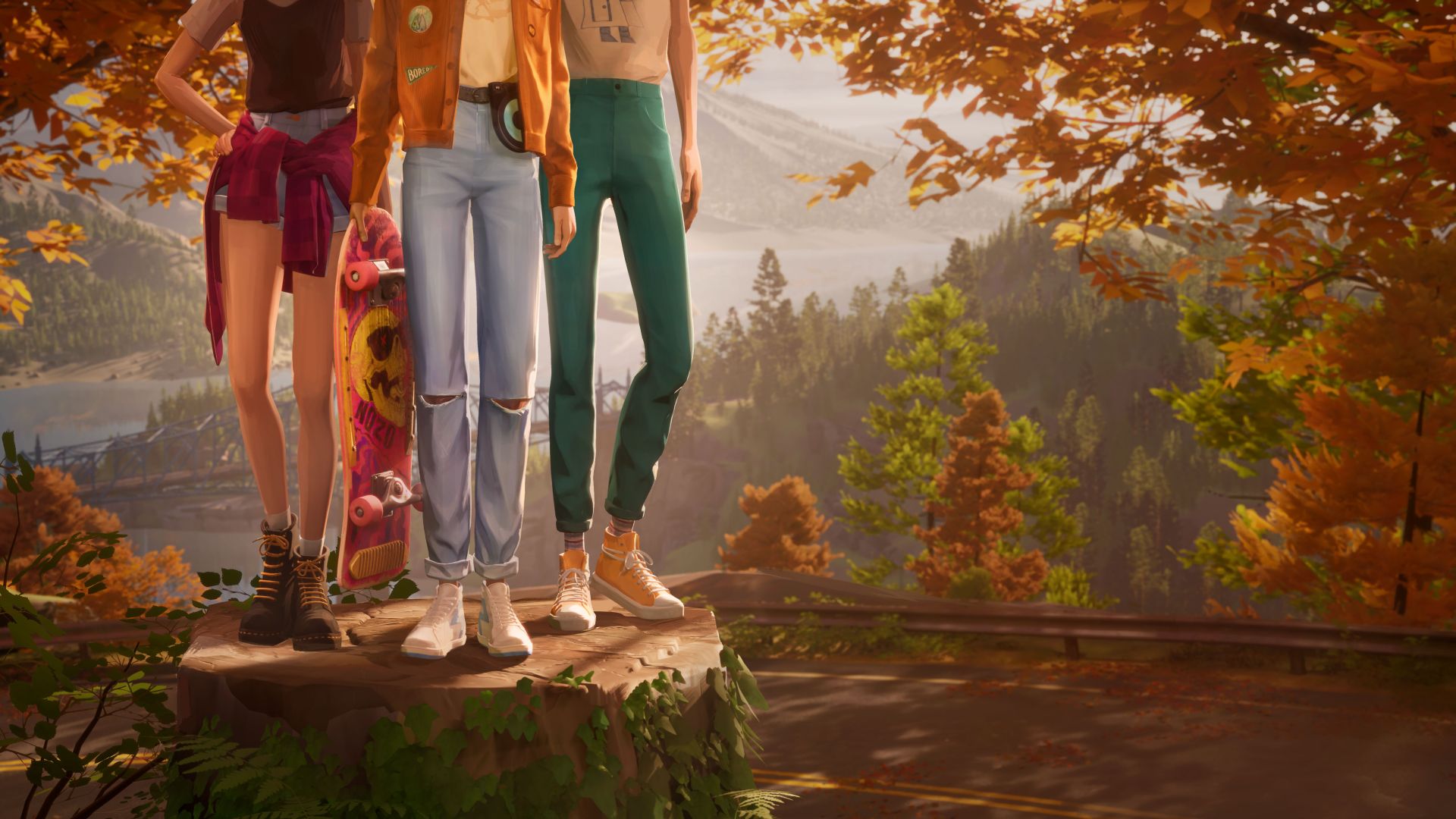
At its core, *Mixtape* follows a music-obsessed American teenager named Stacey Rockford during the final, bittersweet weeks of her senior year of high school. Rather than navigating traditional obstacles or chasing high scores, the player relives her memories through a physically curated cassette tape. However, the game has drawn intense debate online regarding its tracklist, with critics questioning the historical accuracy of what alternative music a '90s teenager would actually consume. In this 1,500-word deep dive review, we analyze the brilliant curation behind the game, look into its gameplay mechanics, and explore how a rock 'n' roll soundtrack transformed this indie project into May's biggest surprise hit.
The Historical Accuracy Debate: Debunking the Music Critics
Shortly after launch, a vocal contingent of online commentators lobbed criticism at *Mixtape*, claiming that its tracklist felt unrealistic for a suburban teenager living in the 1990s. Specifically, skeptics argued that American high schoolers during that era weren't actively listening to Scottish noise-pop pioneers like The Jesus and Mary Chain. However, historical Billboard data and pop-culture records easily prove these criticisms entirely off-base.
The Reality of the '90s Alternative Explosion
While mainstream teen pop and aggressive nu-metal eventually dominated the late-1990s airwaves, the first half of the decade was a period where alternative rock achieved massive cultural ascendance. The Jesus and Mary Chain were far from an obscure underground secret. Consider the cultural facts:
- Major Label Backing: Their records were distributed by massive global labels and could be easily purchased at any suburban mall chain store.
- Lollapalooza '92: The band played the prestigious mainstage of Lollapalooza in 1992, securing a prominent performance slot situated directly *after* Pearl Jam.
- Mainstream Chart Presence: In 1994, their acoustic-driven alternative track "Sometimes Always" successfully breached the Billboard Hot 100, receiving heavy rotation on MTV.
The soundtrack is entirely believable for a passionate, searching music fan living in that exact era. By avoiding the most obvious, overplayed commercial hits of the decade, the game paints an authentic portrait of a teenager who actively moved away from mainstream publications like Rolling Stone or Spin to discover subcultures through independent zines, college radio stations, and early internet forums.
The Creative Vision: Johnny Galvatron’s Sonic Autiography
While the game takes place in a heightened, dream-like American landscape known as Blue Moon Lagoon, the soundtrack wasn't assembled by a fictional teenager. Instead, it serves as a direct sonic autobiography for Australian musician and lead game developer Johnny Galvatron.
Galvatron has been incredibly transparent about the fact that *Mixtape* is built upon what he calls an "undeniable rock 'n' roll core." The entire development process was sparked by a beautifully simple, highly creative question: *"How can we build an entire video game around Devo?"* As Galvatron's favorite band of all time, the iconic new-wave pioneers became the structural anchor for the entire project. The development team laid out Galvatron's personal "greatest hits" ending around the year 1996, arranging them into various digital mixtape combinations to observe what emotional stories, crests, and narrative falls the music naturally told when paired with real-time gameplay.
Gameplay Mechanics: Living in the Rhythms of the Tracks
Mechanically, *Mixtape* distances itself from traditional platformers or precision action titles. There are no lethal hazards, no complex combo chains, and absolutely no "Game Over" screens. Instead, the gameplay actively bends to match the unique tempo, energy, and atmosphere of the song currently playing on Stacey's walkman.
The "That's Good" Skateboard Suite
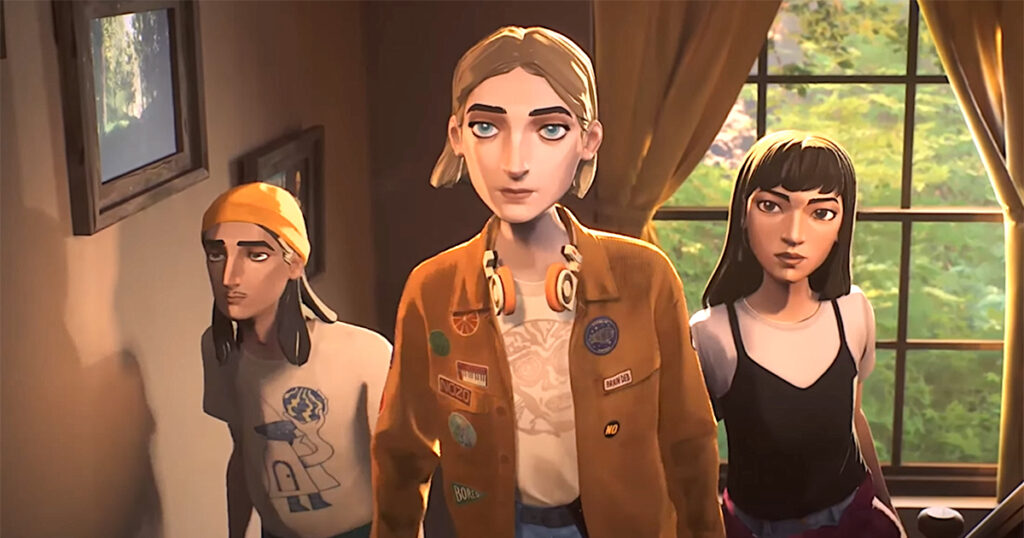
The game kicks off its narrative journey with a fantastic statement of purpose set to Devo’s pulsing synth anthem "That's Good." The scene puts you in control of Stacey and her two closest friends, Slater and Cassandra, as they skateboard down a steep, winding coastal road.
- The Core Loop: Players use fluid controls to glide across asphalt, weave past slow-moving traffic, and execute stylish, low-stakes skateboard tricks.
- Pure Audio Alignment: The game doesn't track points or penalize crashes. The entire objective is to lean into the unique bit of interactive magic that occurs when physical character movement and rhythmic synth handclaps perfectly align.
- Vocalizing Emotion: Galvatron notes that this track represents a "broken shard in his heart," engineered to make players feel a rushing sense of energy as a grand, nostalgic adventure suddenly unfolds before them.
The Nostalgia Matrix: Cinematic Influences and Deep Cuts
As the campaign progresses, *Mixtape* transitions effortlessly into a sequence of vignettes that capture the specific, melancholic lethargy of youth. Immediately following the high-speed Devo opening, the game slows down dramatically, transitioning to the echo-heavy, lo-fi moodpiece "Just Like Honey" by The Jesus and Mary Chain.
This sequence unfolds inside Stacey’s messy bedroom as her friend group kills time, waiting for the sun to set before heading to a definitive end-of-summer party. The cinematic framing draws immense inspiration from legendary coming-of-age soundtracks like The Breakfast Club, Ferris Bueller's Day Off, Dazed and Confused, and Donnie Darko, utilizing music to define a character's internal mood. "Just Like Honey" acts as a multi-layered temporal anchor—invoking the pop structures of the early 1960s, the cutting-edge alternative scene of the 1980s, and the indie-film revival repopularized by Sofia Coppola’s Lost in Translation in the early 2000s.
The Legendary Transformers Connection
Perhaps the most delightful, specific easter egg hidden within the game's music layout is its double-dose of tracks from the cult-classic 1986 animated film The Transformers: The Movie. Hardcore fans will notice two separate Stan Bush tracks integrated into critical narrative milestones:
| Stan Bush Featured Song | In-Game Vignette Trigger | Emotional & Narrative Impact |
|---|---|---|
| "The Touch" | Triggers during a high-energy baseball field sequence where Cassandra hits consecutive home runs. | Delivers an over-the-top, empowering burst of classic cartoon heroism. |
| "Dare" | Manifests as a brief, blink-and-you'll-miss-it musical audio sting. | Accents a minor personal triumph between the core cast members. |
The inclusion of these specific tracks is a direct nod to the developer's identity. Johnny Galvatron chose his professional pseudonym directly from the main antagonist of that 1986 animated movie. Realizing just days before final platform certification that the game required a massive injection of high-octane energy, Galvatron frantically integrated these legendary power ballads into the code to elevate the game's cinematic flair.
The Soundtrack Roster: A Cultural Snapshot
Beyond Devo and Stan Bush, the licensed music library of *Mixtape* acts as an exceptional cultural artifact of international alternative rock. The game features the track "Love" from The Smashing Pumpkins’ seminal 1995 double album Mellon Collie and the Infinite Sadness—an record Galvatron vividly remembers receiving from his cousin at the age of 15.
It also features 1990s grunge representation through the inclusion of Australian icons Silverchair, whose heavy riffs defined Galvatron's early teenage years. In one of the game's most visually surreal, jaw-dropping setpieces, Roxy Music's signature classic "More Than This" soundtracks a breathtaking sequence where fireworks detonate over a coastal highway, before your vehicle defies gravity and takes off into the stratosphere in a sequence heavily reminiscent of the 1984 sci-fi classic Repo Man. This blend of generational music highlights how songs inherited from parents become permanently woven into our own personal histories.
The Glaring Omission: The Missing Sounds of the '90s
While the soundtrack is a absolute masterpiece of alternative rock curation, a macro analysis of the game exposes its single most glaring thematic drawback: the complete and total absence of Hip-Hop and R&B. The 1990s marked the precise historical era where hip-hop completely conquered global pop culture, with Dr. Dre, Snoop Dogg, and Notorious B.I.G. redefining the musical landscape. Simultaneously, legendary R&B powerhouses like TLC, Boyz II Men, and En Vogue completely dominated the top of the Billboard charts.
None of these genres make an appearance on Stacey Rockford’s virtual tape. While it can be argued from a character standpoint that a hyper-focused alternative rock searcher like Stacey might reject mainstream R&B radio hits, her character archetype absolutely would have been spinning seminal alternative hip-hop groups like A Tribe Called Quest, De La Soul, or the Beastie Boys. Because the soundtrack is explicitly bent to fit Galvatron's specific upbringing in the Australian rock scene, the total erasure of these critical Black cultural movements makes the game's portrait of the '90s feel somewhat narrow and incomplete.
"The place, the year, and the physical era drift away with distance, but the specific feelings encoded in our favorite music stay with us forever." — Johnny Galvatron
Conclusion: The Defining Anthem of May 2026
Ultimately, Mixtape is a triumphant, highly audacious experiment that proves independent video games can use licensed music to achieve unprecedented narrative heights. Beethoven + Dinosaur has crafted an experience that moves past cheap, empty nostalgia, delivering a profound meditation on how memory, friendship, and song titles distort over time.
Despite its cultural genre blindspots and a loose narrative structure that favors sensory vibes over hard plot progression, the fluid real-time controls, spectacular visual setpieces, and sheer acoustic joy of its tracklist make it a mandatory download on Steam and Fanatical. Johnny Galvatron risked destroying his favorite songs by listening to them continuously across a grueling production cycle; instead, *Mixtape* has made those anthems feel more vital than ever. Grab your headphones, adjust your tracking, and press play—Stacey’s tape is ready to roll, and the rock radio station is playing your song.
Mixtape Fast Facts:
- Developer / Publisher: Beethoven + Dinosaur / Annapurna Interactive.
- Release Date: May 20, 2026.
- Platform Availability: PC (Steam/Fanatical), PlayStation 5, Xbox Series X|S.
- Core Tracklist Highlights: Devo, The Jesus and Mary Chain, Smashing Pumpkins, Silverchair, Stan Bush.
- Gameplay Style: Vignette-Driven Narrative Adventure, Non-Lethal Traversal Simulation.