Building a Masterpiece: Why Lego Batman: Legacy of the Dark Knight Is the Best Lego Game in Years
Lego Batman: Legacy Of The Dark Knight Review — Is It the Ultimate Arkham Experience?
Read our definitive Lego Batman: Legacy of the Dark Knight review! Discover the brilliant Arkham Lite combat, massive open-world Gotham, and how this 2026 masterpiece recaptures the golden age of licensed Lego games.
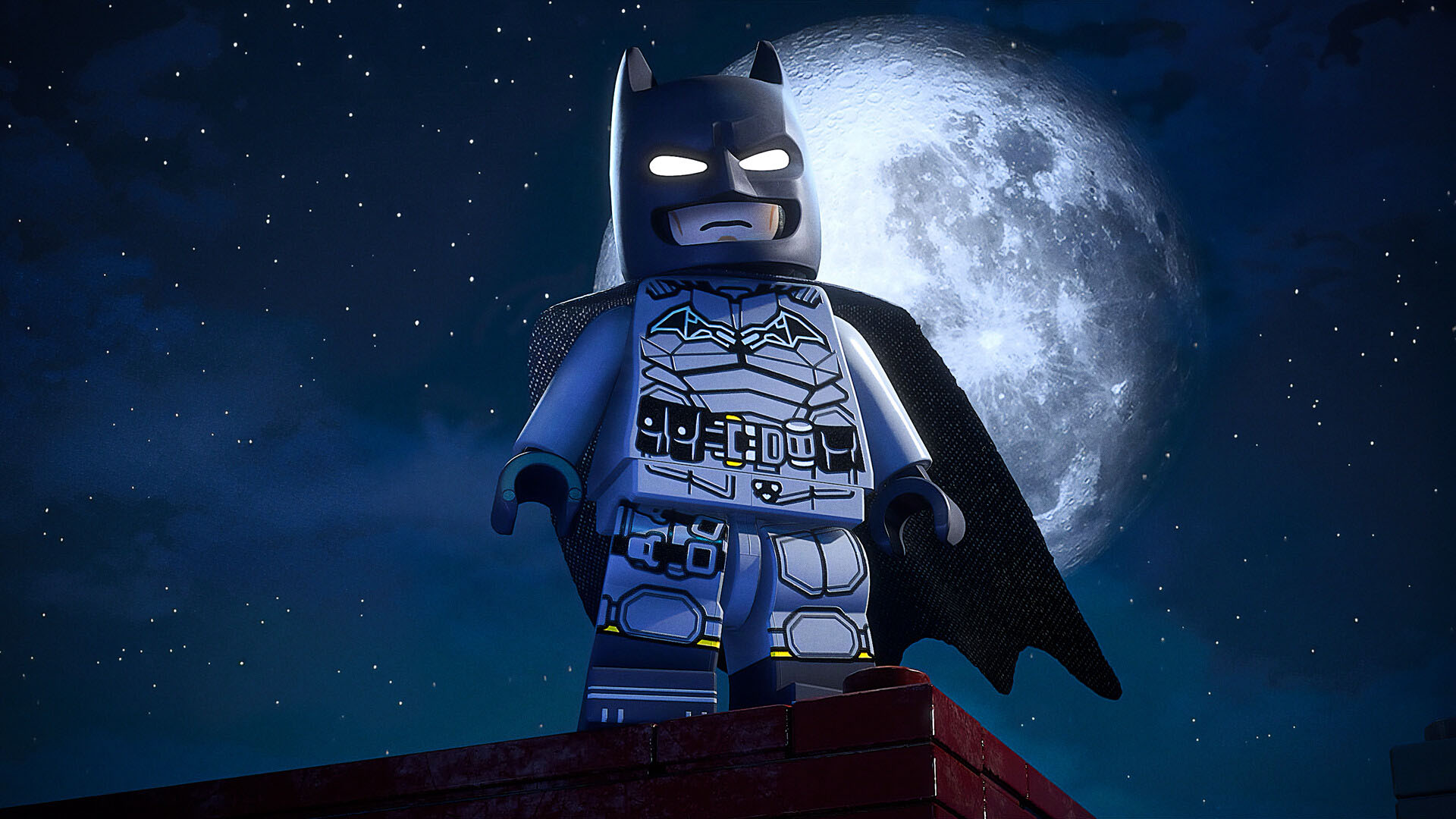
The year 2026 has been a turning point for licensed video games, but few predicted that the year's most exhilarating superhero adventure would be made of plastic blocks. Developed by Traveller's Tales (TT Games) and published by Warner Bros. Games, Lego Batman: Legacy of the Dark Knight officially launched its early access phase on May 19, 2026. Built entirely on Unreal Engine 5, this title completely abandons the formulaic, assembly-line design that has plagued the franchise for years, delivering a sweeping love letter to over three decades of Batman cinema.
Imagine breaking apart premium collector sets representing Tim Burton's Batman '89, Christopher Nolan's The Dark Knight Trilogy, and Matt Reeves' The Batman, then stitching the bricks back together into a gorgeous, highly stylized pastiche. That is the exact thesis statement behind *Legacy of the Dark Knight*. By introducing a brilliant "Arkham Lite" combat system, a smaller but deeply specialized cast of characters, and a massive open-world Gotham City, TT Games has restored the pure magic of their licensed golden era. Here is our 1,500-word deep dive into why this is the best Lego game in over a decade.
The Pastiche Reality: Remixing Bat-History
The core narrative engine of Lego Batman: Legacy of the Dark Knight is an entirely original story that simultaneously acts as a structural collage of classic cinematic plots. Rather than presenting isolated movie levels, the game fluidly meshes different timelines and character interpretations together into a singular cohesive universe.
A Dynamic Evolution of Villains
This "remix" philosophy allows for some fascinating, incredibly clever character arcs that play out across the main campaign:
- The Joker: Jack Napier begins his journey as a low-level mob enforcer before adopting the Red Hood persona, tumbling into a vat of ACE chemicals, and deploying his infamous Smilex gas.
- The Penguin: Oswald Cobblepot starts as a gritty, underground thug heavily inspired by *The Batman* universe before shifting into a corrupt mayoral candidate with animalistic tendencies directly referencing *Batman Returns*.
- The Catwoman: Selina Kyle transitions seamlessly from a high-society cat burglar to a complex anti-hero helping the Bat-family protect the vulnerable districts of the city.
By blending these distinct cinematic lenses, the game creates an incredibly nostalgic experience for adult fans. However, this approach does present a unique creative hurdle. Hearing legendary cinematic dialogue delivered by a broader, unified voice cast can occasionally feel slightly uncanny for purists who have Jack Nicholson or Christian Bale's performances seared into their memory. Fortunately, the writing is sharp, witty, and deeply self-aware, frequently utilizing sight gags and fourth-wall breaks to ensure the jokes land perfectly.
Combat Reborn: The Injection of Arkham DNA
For over twenty years, licensed Lego titles have relied on basic, button-mashing combat loops that offered minimal challenge. In 2026, *Legacy of the Dark Knight* shatters that tradition by lifting the foundations of Rocksteady's legendary Freeflow Combat System.
The battles operate on a beautifully rhythmic cadence of strikes, counter-attacks, directional dodges, and gadget integrations. As your combo meter multiplies, Batman leaps across the screen with a fluid grace that feels remarkably close to a true *Arkham* title. While it lacks the raw, bone-breaking brutality of the core mature games—refining the mechanics into an accessible "Arkham Lite" format—the tactical depth it provides to large-scale encounters makes combat infinitely more satisfying than any previous Lego installment. Upgrading your utility belt gadgets feels impactful, altering how you manage crowd control when facing down massive waves of Arkham escapees.
The Power of the Bat-Family: Focused Character Mechanics
A common pitfall of past Lego titles, such as *Lego Star Wars: The Skywalker Saga*, was a bloated roster containing hundreds of identical characters reskinned across rigid class archetypes. TT Games has actively corrected this trajectory by focusing heavily on a smaller, highly specialized core group: the Bat-Family.
The mechanical focus centers on the growth of the team, with individual chapters dedicated to recruiting and mastering specific heroes. Every ally possesses completely bespoke tools and puzzle-solving skill sets:
| Playable Character | Bespoke Gadget / Combat Tool | Unique Environmental Skill |
|---|---|---|
| Batman | Batarang / Remote Brawling Claws | Grapple-glide traversal and Detective Vision routing. |
| Robin | Kinetic Bo Staff | Prying open structural fractures and acrobatic pole-vaulting. |
| Batgirl | Advanced Crypto-Sequencer | Terminal hacking and complex security grid bypasses. |
| Jim Gordon | Sticky Goo Gun / Ricochet Bulb Pistol | Ranged puzzle trigger activations and heavy civilian authority access. |
This tight character select screen ensures that switching characters feels meaningful. You are no longer sorting through an endless list of background extras; you are utilizing a highly coordinated strike team where every member serves a distinct tactical purpose.
Exploring an Open-World Gotham: Grapples and Tumblers
The open-world structure of Gotham City built within Unreal Engine 5 is a spectacular visual achievement. The city is a sprawling, dark gothic playground divided into iconic boroughs, loaded with atmospheric rain effects, neon signs, and towering architectural marvels.
Traversal through this massive space is split between aerial acrobatics and heavy vehicular devastation. At any point in the open world, players can summon their choice of Batmobile spanning the character's media history. These vehicles aren't just aesthetic copies; they feature distinct physics profiles. The *Nolan Tumbler* feels heavy, tank-like, and capable of ploughing through concrete barriers with immense force, whereas the sleek *Burman '89 cruiser* is light, agile, and engineered for drifting through hairpin city turns.
Despite the excellent vehicle mechanics, the most satisfying way to traverse Gotham is simply looking up. Grappling onto a distant skyscraper and immediately snapping open your cape to glide across the skyline feels incredible. It perfectly replicates the open-world loop of *Arkham City*, encouraging exploration and turning simple movement into an absolute joy.
The Progression Shift: From Droids to Deep-Cut Suits
The collect-a-thon nature of the genre remains intact, but the reward economy has undergone a massive modernization. Instead of hunting down useless background droids, your primary motivation for exploring every hidden alley and rooftop cache is the acquisition of Batsuits and Customization Modifiers.
The game features an astonishing library of alternate skins representing almost every comic arc, television show, and cinematic interpretation imaginable. Want to explore Gotham in the steampunk elegance of the 1989 *Gotham by Gaslight* suit? Or perhaps the high-tech neon mesh of the *Batman Beyond* armor? The attention to detail in how these suits are translated into the blocky Lego aesthetic is magnificent. Combined with an innovative, dynamic **Stud Multiplier system**—which acts as a fading combo meter that forces you to plan your environmental destruction strategically—the core gameplay loop remains intensely engaging for adult collectors.
"Lego Batman: Legacy of the Dark Knight is a profound statement of intent. It proves that with additional care, time, and mechanical depth, a Lego game can transform back into a premier gaming event."

The Weak Spot: Passable Predator Stealth
While the combat and traversal systems translate the Rocksteady formula beautifully, the game’s primary mechanical misstep lies in its stealth implementation. The original *Arkham* games excelled at delivering a terrifying "predator fantasy," allowing you to stalk criminals from the shadows and use fear as a weapon.
In *Legacy of the Dark Knight*, stealth is functional but ultimately unremarkable. While you can sneak up on isolated guards for silent plastic takedowns, the game lacks the vertical predator tools, fear mechanics, and smoke-bomb disappearances necessary to clear complex rooms quietly. Frequently, a stealth sequence will fall apart after you take out two or three guards, forcing you to abandon subtlety and finish the remaining enemies using standard open combat. It is an unfortunate blemish on an otherwise stellar mechanical translation.
Conclusion: The Definitive Return to Form
Despite a weak stealth loop and a shaggy narrative pacing that occasionally forces separate movie plots together for the sake of a joke, Lego Batman: Legacy of the Dark Knight is an undeniable triumph. It marks the most fun the franchise has delivered since the seminal days of 2005.
By prioritizing mechanical complexity, sharp comedic writing, and an elegant progression system over mindless roster bloat, TT Games has successfully righted the corporate live-service ship. The integrated sonar ping system ensures that puzzle-solving remains fluid without insulting the player's intelligence, making it an absolute joy for both kids and adult enthusiasts. Gotham City is fractured, the Rogues' Gallery is evolving, and the Bat-cave is ready for customization. Grab your cowl—it’s time to rebuild the legacy, piece by piece.
Lego Batman: Legacy of the Dark Knight Fast Facts:
- Developer: Traveller's Tales (TT Games) / WB Games Montréal.
- Full Release Date: May 22, 2026 (Early Access Live Now).
- Platforms: PC, PS5, Xbox Series X|S (Nintendo Switch 2 coming later in 2026).
- Game Engine: Unreal Engine 5.
- Key Mechanics: Arkham-style Freeflow Combat, Grapple-Glide Traversal, Multi-Era Batmobiles.