OPUS: Prism Peak Review: Developing Memories in a World of Spirits
OPUS: Prism Peak Review: The Most Emotional Photography Adventure of 2026
Discover why OPUS: Prism Peak is a 2026 masterpiece. Our deep-dive review explores Eugene’s journey through the Dusklands, the innovative photography mechanics, and how to unlock every ending in this stunning narrative adventure.
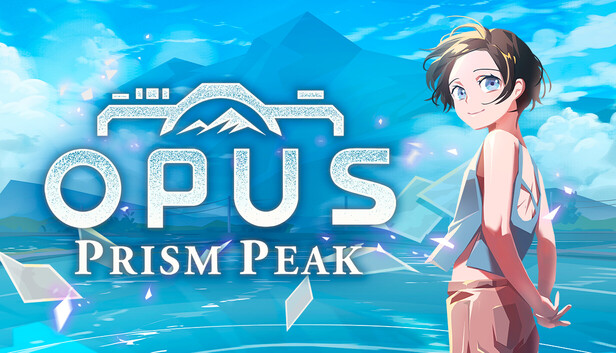
Every few years, a game arrives that transcends entertainment and becomes a mirror for the player's own life. In May 2026, that game is OPUS: Prism Peak. Developed by the visionaries at SIGONO and published by Shueisha Games, this narrative photography adventure has quietly become one of the most critically acclaimed titles on PC and Nintendo Switch. It is a story about the cameras we use to capture our world and the memories we use to define ourselves.
Released on April 15, 2026, Prism Peak follows the trend of "cozy-emotional" games but injects a level of mechanical depth and narrative complexity that sets it apart. Whether you are a fan of the previous OPUS titles or a newcomer looking for a story that will linger in your mind for weeks, this is an essential experience for 2026. Here is our definitive 1,500-word review of a game that perfectly captures the beauty of life's regrets.
The Story of Eugene: A Journey Through Regret and Fog
The narrative center of OPUS: Prism Peak is Eugene, a forty-year-old former photojournalist whose life is a landscape of "what-ifs." He is returning to his small mountain hometown to bury his grandfather—the man who first taught him how to see through a lens. Eugene is a deeply flawed, relatable protagonist; he carries the weight of a failed marriage, a collapsed career, and a mountain of unresolved guilt.
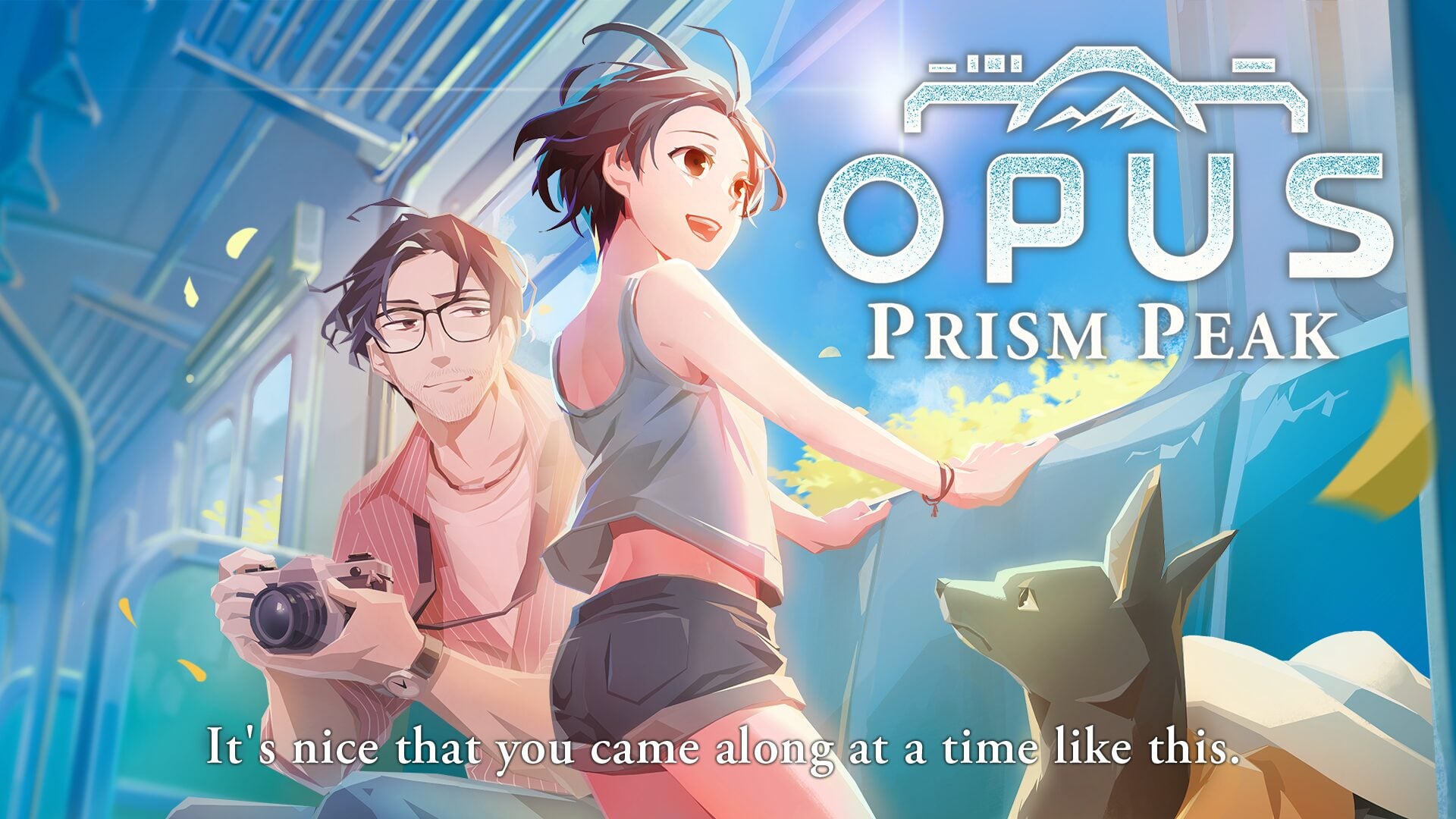
While driving through a tunnel, Eugene is enveloped by a mystical fog and crashes his car. He wakes up in the Dusklands, a liminal, spiritual realm populated by animal spirits and shrouded in a shifting, supernatural mist. Here, he meets Ren, a mysterious young girl who has forgotten everything about her identity except for one thing: she must reach the mountain’s summit at any cost.
The Animal Spirits: Memories in Disguise
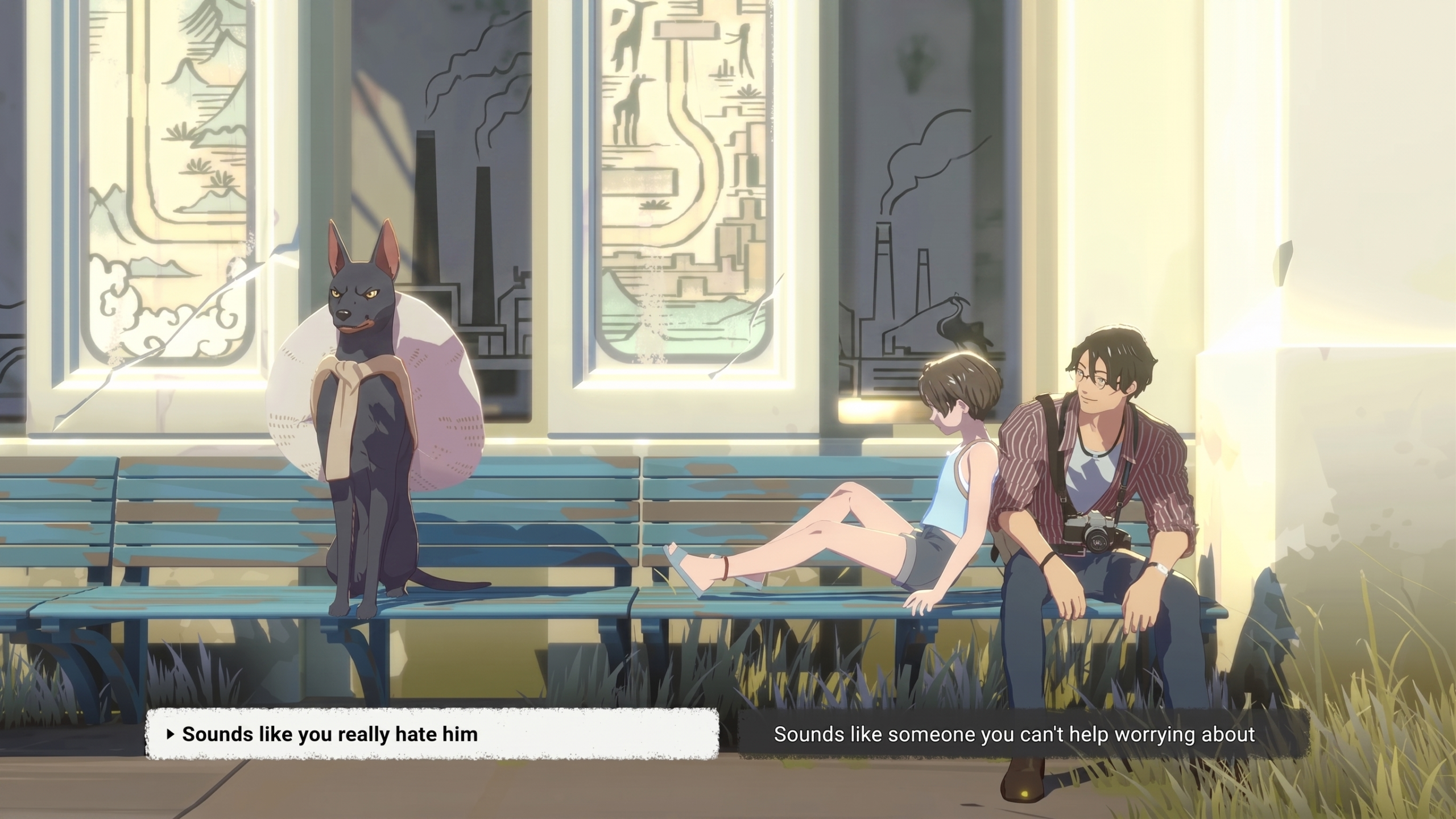
The brilliance of Prism Peak’s storytelling lies in its structure. As Eugene and Ren trek toward the peak, they encounter various animal spirits. These aren't just NPCs; they are spiritual manifestations of the people Eugene has failed or been failed by in his past. Part of the game's emotional puzzle is deducing which spirit represents which person from Eugene’s life. Through these encounters and black-and-white visual novel flashbacks, the game paints a vivid, often painful picture of a human life in all its messy reality.
Photography as a Narrative Tool: More Than Just a Snapshot
In 2026, photography mechanics have become a popular trend (seen in titles like Cairn or Darwin’s Paradox), but OPUS: Prism Peak uses the camera as a fundamental narrative device. Eugene can raise his camera at any time, shifting the game into a first-person mode that allows for granular control over your shots.
Advanced Photography Features:
- Interchangeable Lenses: From wide-angle vistas to macro shots of spirit-flowers, choosing the right lens changes how the world reacts to you.
- Exposure and Shutter Speed: You aren't just clicking a button; you are managing light. Overexposing a shot might reveal hidden paths in the fog, while a long shutter speed can capture the movement of spiritual entities.
- The Notebook System: Your photos serve as the "ink" for Eugene’s journal. This notebook tracks your discoveries, filling in the blanks of Eugene’s history based on what you choose to focus your lens on.
Taking a photo in Prism Peak requires you to slow down and truly look at the environment. It turns the act of observation into an act of empathy. However, the notebook system is incredibly dense; while ambitious, players may find it a bit overwhelming to manage during the game’s more dialogue-heavy segments.
The Visuals of the Dusklands: Anime Artistry in 2026
Visually, SIGONO has created a masterpiece. The 3D anime-influenced art style is vibrant, with lighting effects that make the Dusklands feel both heavenly and haunted. The contrast between the lush, colorful landscapes of the present and the stark, black-and-white newspaper-strip style of the flashbacks creates a powerful visual metaphor for how memories age.
PC Performance and Technical Excellence
Running on the latest version of the engine, OPUS: Prism Peak is flawlessly optimized for PC. On a mid-to-high-end rig (like an RTX 3080 Ti), the game easily exceeds 100 FPS with all settings maxed. The lighting system, which is crucial for the photography mechanics, is responsive and detailed.
One minor technical gripe for 2026 is the lack of native ultrawide support at launch. Players with 21:9 or 32:9 monitors will have to contend with black bars, which is a slight disappointment in a game that relies so heavily on its beautiful vistas. However, the game’s art style ensures that even in standard 16:9, it remains a stunning experience.
The Soundtrack: A Piano-Led Heartbeat
The audio design is, quite frankly, exceptional. The soundtrack is a delicate mix of solo piano and soft electronic tones that elevate every narrative beat without becoming intrusive. It captures the melancholic, hopeful vibe of the game perfectly. Coupled with top-tier voice acting for Eugene and Ren, the soundscape ensures that the emotional punches land exactly where they are supposed to.
Multiple Endings and the Value of Choice
OPUS: Prism Peak features a rich "Story Tree" and multiple endings. Your choices in the Dusklands—and how you choose to photograph certain spirits—directly influence the outcome of Eugene’s redemption. This gives the game significant replay value. You will likely finish your first 8-10 hour playthrough and immediately want to go back to see the "what-ifs" of Eugene's life.
The only jarring element is the occasional "Action Sequence" where Eugene must outrun a dark force called The Shade. These moments feel tonally inconsistent with the rest of the contemplative, slow-paced experience. While they add tension, they feel a bit like they belong in a different genre entirely.
Verdict: A Masterwork of Narrative Game Design
OPUS: Prism Peak is one of the most emotionally resonant games of 2026. It is a game that respects its audience, trusting them to navigate the complexities of grief and hope. While the notebook system can be finicky and the action beats are a bit clunky, the core of the game—the relationship between Eugene and Ren and the act of seeing the world through a camera—is near-perfect.
If you have ever felt like life was moving too fast, or if you carry your own "black and white" memories of regret, Prism Peak is a game that will give you a new perspective. It is a genuine work of art that proves video games are the ultimate medium for storytelling.
Pros:
- Masterful Storytelling: An emotional journey that deals with grief and hope in a nuanced way.
- Innovative Photography: Mechanics that feel meaningful rather than gimmicky.
- Stunning Visuals: A beautiful blend of 3D anime style and visual novel aesthetics.
- High Replayability: Multiple endings and a deep story tree encourage repeat visits.
- Exceptional Audio: A soundtrack that will stay on your playlists for months.
Cons:
- Complex Notebook: The UI for the journal system can become cluttered.
- Tonal Shifts: Action sequences feel slightly out of place.
- Tech Limits: No native ultrawide support at launch.
Final Score: 9.2/10 - "Pure Narrative Gold"
OPUS: Prism Peak is available now on PC (Steam) and Nintendo Switch for $24.99. It is a snapshot of life that you need to see for yourself.