Thick as Thieves: The Closest We’ll Get to Dishonored 3 This Year
Thick As Thieves Review: The Next Great Immersive Sim for Dishonored Fans?
Looking for a game like Dishonored or Thief in 2026? Read our definitive Thick As Thieves review. Discover the best early access stealth mechanics, solo and co-op gameplay, and if it is worth the $5 price tag.
The year 2026 has seen a massive resurgence in niche genre revivals, but few announcements catch the eye of hardcore gamers quite like a new immersive sim. The "im-sim" is a celebrated, criminally underappreciated genre that prioritizes player agency, emergent gameplay, and intricate world-building above all else. For fans who have spent years praying for a potential Dishonored 3 or a true modern successor to the legendary Thief series, the arrival of Thick As Thieves on May 19, 2026, represents a fascinating beacon of hope. Released into Steam Early Access by an indie development team determined to capture the magic of the classics, this title manages to deliver a potent dose of mechanical freedom despite its tight budget.
What makes the launch of *Thick As Thieves* particularly historic is its development trajectory. Just weeks before its official 2026 public debut, the studio made headlines by completely cutting out the competitive PvPvE multiplayer components, shifting the entire architecture to focus strictly on a deep, highly replayable single-player and two-player cooperative experience. After spending a solid four hours infiltrating its beautifully stylized, dystopian maps, our comprehensive review dives into whether this stealth-action playground has what it takes to stand tip-toe-to-toe with the undisputed titans of the genre.
The Aesthetic: A Painterly, Dystopian Early-1900s Playground
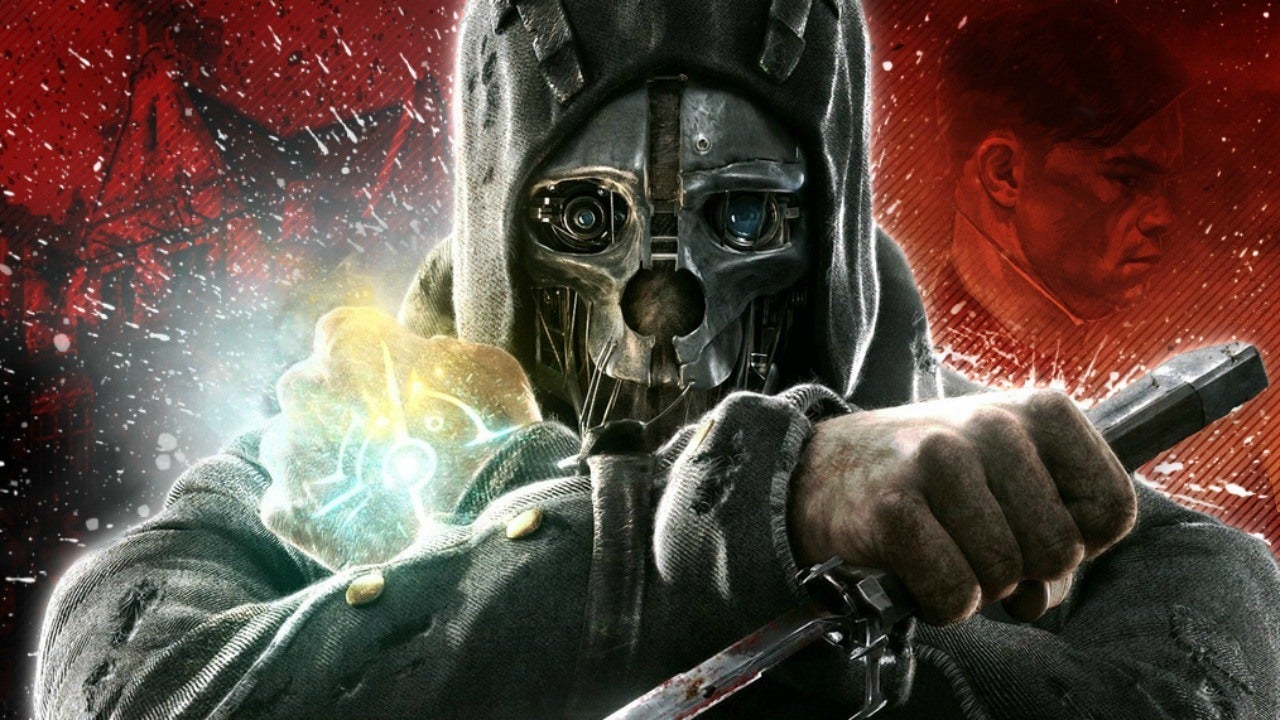
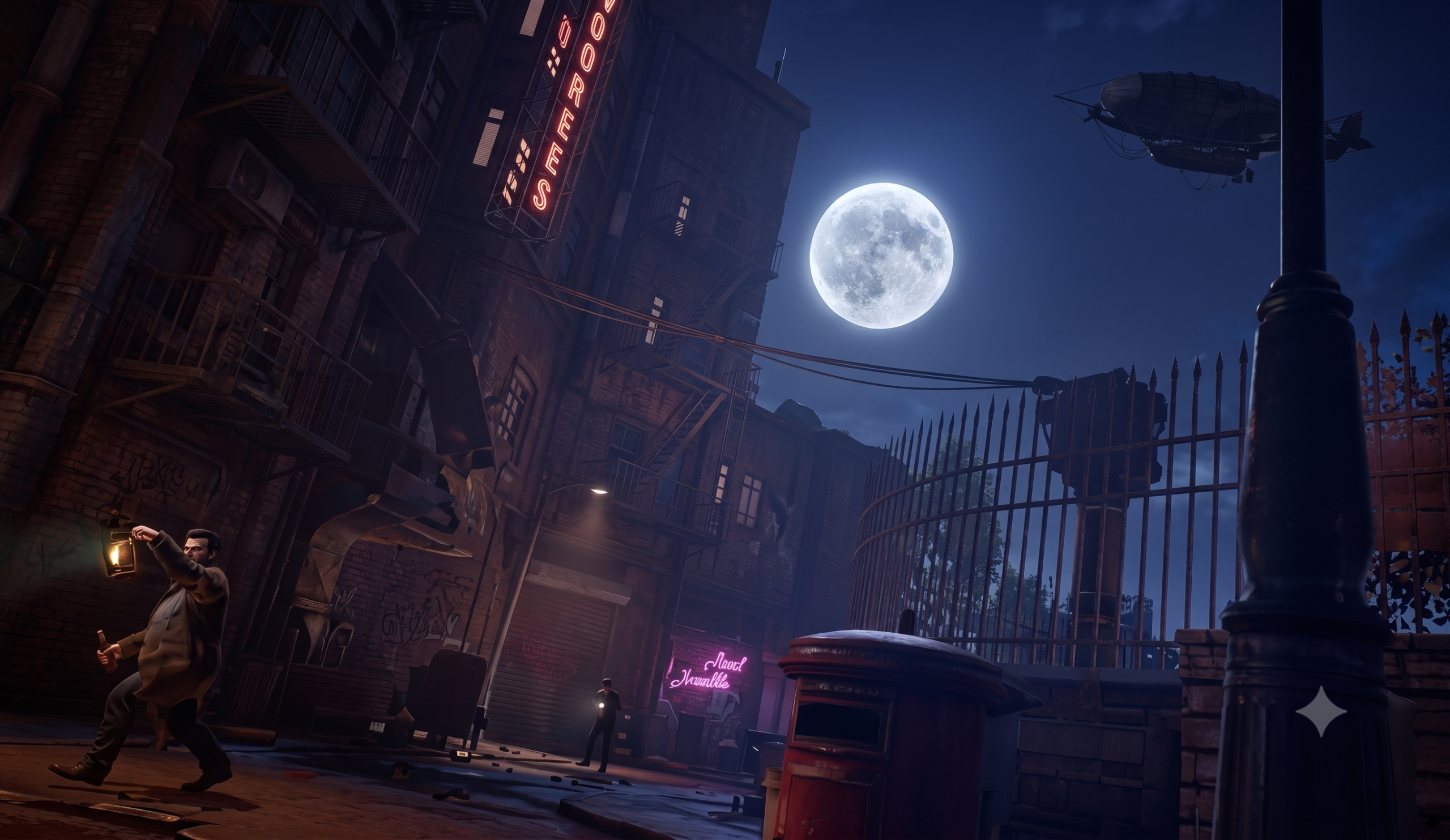
The second you drop into the outskirts of a map in *Thick As Thieves*, the visual lineage is undeniable. The game utilizes a gorgeous, highly expressive painterly art style featuring heavily exaggerated character models and striking architectural angles that immediately mirror Arkane Studios' design philosophy. The setting is a dark, soot-stained, early-1900s industrial dystopia where oppressive steam-powered machinery clashes with ancient, occult magic.
Every level is designed as a physical biosphere teeming with atmosphere, requiring you to navigate dilapidated rooftops, grimy sewers, and opulent estate galleries. The world-building feels tangible and heavy. True to the sacred tenets of the immersive sim genre, the interactive density is outstanding—yes, you can look through drawers, pickpocket moving targets, read discarded journals, and even flush the toilets just to see if the environment reacts. It is an evocative, nostalgic visual and structural canvas that immediately makes veteran stealth enthusiasts feel right at home.
The Gameplay Loop: Randomized Missions and 45-Minute Portals
While the game feels like a classic campaign-driven stealth title during moment-to-moment exploration, its mechanical skeleton reveals the remnants of its original multiplayer design. Rather than navigating a completely static sequence of linear levels, *Thick As Thieves* launches with two massive, multi-tiered maps and features an innovative, randomized mission matrix.
The Anatomy of a Heist
When you initiate a session, the game procedurally generates your layout parameters to maximize replayability. Every round introduces distinct criteria:
- Randomized Spawn Points: Your thief drops into the environment from an unpredictable extraction point along the map's perimeter, forcing you to scout a fresh path inward every time.
- The Mission: This dictates the specific high-value loot item or occult artifact you are assigned to locate and snatch from the secure inner vaults.
- The Objective: This serves as the primary linear narrative task required to advance the overarching story campaign across your playthrough.
Crucially, the game adopts an extraction-shooter philosophy regarding your success criteria. You can choose to exit the map having completed both goals, either one, or even neither. If a run goes completely sideways, you can simply abandon the main objective, hoard as much passive gold and loose jewelry as your pockets can hold, and head straight for the extraction portal. However, you are operating under a strict 45-minute time limit. If you fail to escape before the magical exit portal collapses, your character is permanently trapped, resulting in a failed deployment.
Stealth and Survival: The Theft Meta
At its core, *Thick As Thieves* requires you to spend the vast majority of your runtime crouched, moving slowly, and melting into the environment. The game relies heavily on a classic darkness meter inspired by the original *Thief* games. Rather than providing a modern, gamified HUD indicator that explicitly tells you your exact visibility percentage, the visibility meter is purposely vague and atmospheric.
This deliberate design choice makes sneaking around immensely thrilling. When a patrolling guard flashes a bright flashlight directly toward your alcove, you must look closely at the shadows surrounding your character model to deduce if you are genuinely hidden. The basic threats are varied and dangerous, forcing you to evade security cameras, memorize patrol patterns, and pickpocket keyrings from moving sentries. Adding a supernatural twist to the stealth layout are phase-shifting ghosts—ethereal guards who can pass directly through solid walls, completely disrupting your typical hiding zones and keeping you constantly on your toes.
Chaos and Improvisation: Flipping the Switch
The true peak tasting experience of any great immersive sim occurs when your meticulously planned strategy completely falls apart. It is in the transition from a flawless ghost run to a frantic, chaotic scramble for survival that *Thick As Thieves* genuinely shines.
For example, if you are spotted by a magical security orb, the environment immediately transforms into a hostile trap. The orb throws up temporary physical barriers to lock you inside the chamber, activates automated defensive ceiling turrets, and alerts all nearby guards to your exact location. In these high-stress moments, you must think on your feet, deploying a versatile toolkit of gadgets to break line-of-sight and slip back into the dark:
- Smoke Bombs: Crucial for blinding turrets and breaking enemy aggro during a close-quarters ambush.
- Magical Fireflies: A unique ranged utility used to activate distant wall switches, open doors, or create audio distractions from a safe distance.
- The Grappling Hook: An essential traversal tool that lets you instantly zip up to vertical rafters and escape ground-level patrols.
The Thrill of the Recovery Run
If you fail to escape and die during solo play, the game avoids hitting you with a frustrating "Game Over" screen. Instead, you respawn safely on the outskirts of the map with your gear intact, but your collected loot remains dropped on your corpse. This setup can lead to incredibly thrilling situations. In our most intense test run, we were cut down directly in front of the escape portal with less than two minutes remaining on the master clock. Respawning at the edge of the world forced a breakneck speedrun—utilizing slide-dashes, jumps, and desperate smoke bombs to reclaim our dropped items and dive into the portal with seconds to spare.
The Flaws: Early Access Growing Pains
While the mechanical foundation is remarkably strong for a day-one Early Access build in 2026, *Thick As Thieves* suffers from several rough edges that Spiders and the dev team need to actively address during development. The most prominent issue lies in a severe character imbalance between the two playable protagonists.
Each thief possesses a singular signature item. One character starts with the highly versatile grappling hook, while the other utilizes a magical disguise spell to briefly trick guards into ignoring them. Because the grappling hook is so fundamental to navigating the vertical architecture of the maps and escaping high-stress alarms, starting a round without it feels like a massive disadvantage. As a result, there is currently almost no mechanical incentive to select the disguise-focused character, limiting the operational variety of the game.
Additionally, the AI reactivity features some immersion-breaking gaps. While the security orbs are hyper-sensitive to your character, they are completely oblivious to knocked-out guards lying directly in their field of vision. The enemy patrol routes are also strictly static, unaffected by the minor pathway changes that randomize the map layouts between rounds. Once you memorize the specific guard loops of an area, the tension drops significantly, exposing the lack of true dynamic AI randomization. Finally, the game features an annoying UI omission: it completely hides your master match timer until the clock winds down to the final five minutes, forcing you to blindly guess your remaining deployment time for the majority of the heist.
Conclusion: A High-Yield $5 Stealth Investment
Ultimately, Thick As Thieves launches into the 2026 gaming landscape as an incredibly promising, highly replayable stealth adventure. Featuring 16 randomized missions spread across its two starting maps, the launch build offers a tight, highly satisfying four-hour campaign that captures the pure mechanical heart of the classics.
At an incredibly accessible early entry price of $5 USD, the game is an absolute steal for any strategy or stealth enthusiast looking to scratch that immersive sim itch. While it clearly has room to grow regarding character balance, AI world reactivity, and interface polish, its core loop of rhythmic sneaking, gadget synergy, and chaotic improvisation makes it a phenomenal foundation. Grab your lockpicks, equip your smoke bombs, and prepare to fade into the dark—the portal is open, and the estates of Portofiro are waiting to be picked clean.
Thick As Thieves Fast Facts:
- Developer/Publisher: Indie Early Access (2026 Build).
- Launch Base Price: $5 USD.
- Platform Availability: PC via Steam.
- Gameplay Framework: First-Person Isometric Stealth, Immersive Sim, Extraction Economy.
- Core Influences: Thief and the Dishonored Series.