SUBNAUTICA 2: BREATHING AS ONE — THE ARCHITECTURE OF SHARED SURVIVAL
Subnautica 2 Co-op Guide: How to Survive the Depths Together
For years, the Subnautica experience was defined by a haunting, beautiful isolation. We wandered the abyss of Planet 4546B alone, our only company being the rhythmic thrum of the Cyclops engine and the occasional (terrifying) roar of a Reaper Leviathan. But the tides have finally turned. With the release of Subnautica 2, Unknown Worlds Entertainment has delivered on the one feature fans have been screaming for since 2014: Cooperative Multiplayer.
The developers didn't just tack co-op on as an afterthought; they rebuilt the experience with a "togetherness" mindset. However, exploring a deep-sea alien world with friends isn't as simple as just hitting a "join" button. There are specific mechanics, shared progress systems, and some logistical hurdles you need to understand to keep your crew from sinking. Here is our comprehensive 1,000-plus word breakdown of how co-op works in Subnautica 2.
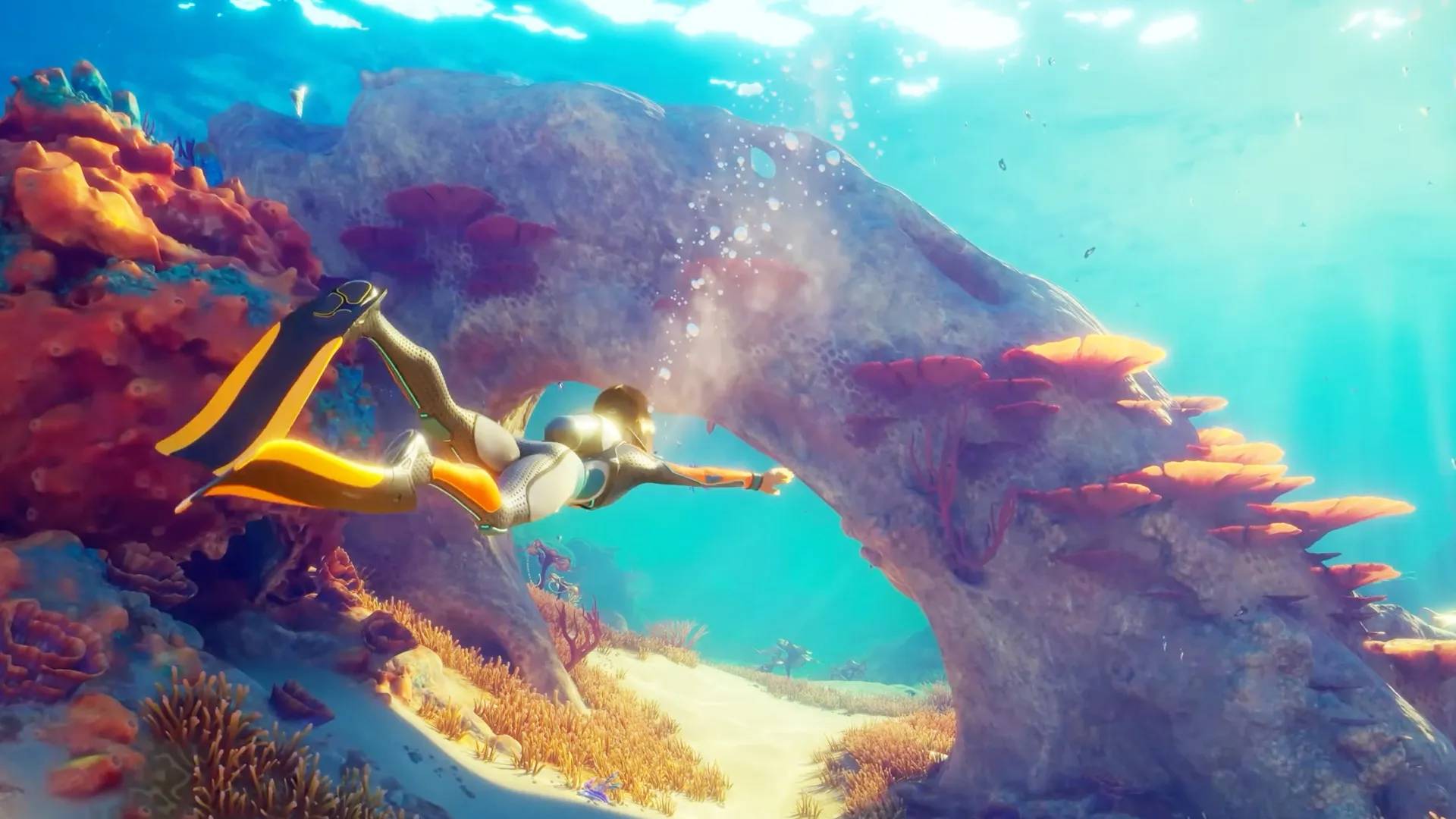
The Basics: Player Count and Cross-Play Support
Let’s start with the hard numbers. Subnautica 2 supports a maximum of four players in a single session. While you can certainly play as a duo or trio, the game’s difficulty and resource management feel perfectly tuned for a full squad of four explorers.
One of the biggest wins for the community is the inclusion of full cross-play support. Whether you’re a member of the "PC Master Race" or a dedicated Xbox enthusiast, you can dive together without friction. Furthermore, the game supports cross-progression. If you own the game on both platforms (perhaps a laptop for travel and an Xbox for the living room), your save files and character data will follow you seamlessly.
Is Solo Play Still an Option?
Absolutely. If you’re a purist who believes Subnautica is meant to be a lonely, terrifying experience, you can still play through the entire campaign solo. The co-op is entirely optional, but once you’ve experienced a four-player base-building session, it’s hard to go back to being a hermit.
How to Set Up Your Multiplayer Session
Getting into a game requires a few specific steps. Unknown Worlds has opted for a "Friend Code" system to bypass the usual hurdles of cross-platform networking.
Hosting a World
When you select "Host Multiplayer" from the main menu, you are effectively the "owner" of that world. This means the save file lives on your machine (or cloud save). Currently, Subnautica 2 does not offer dedicated servers—meaning the world is only active when the host is online.
- Friend Codes: Once inside, you’ll see a unique alphanumeric Friend Code. Give this to your buddies so they can find your specific session.
- Invite System: Once you’ve added someone via their Friend Code, they’ll appear on your permanent Friends List, allowing for "one-click" invites in the future.
Joining a World
If you’re the one joining, simply hit "Join Friends". If your friend is already in your list and their session is public (or "Friends Only"), you’ll see their name pop up. If not, just punch in their Friend Code to initiate the connection.
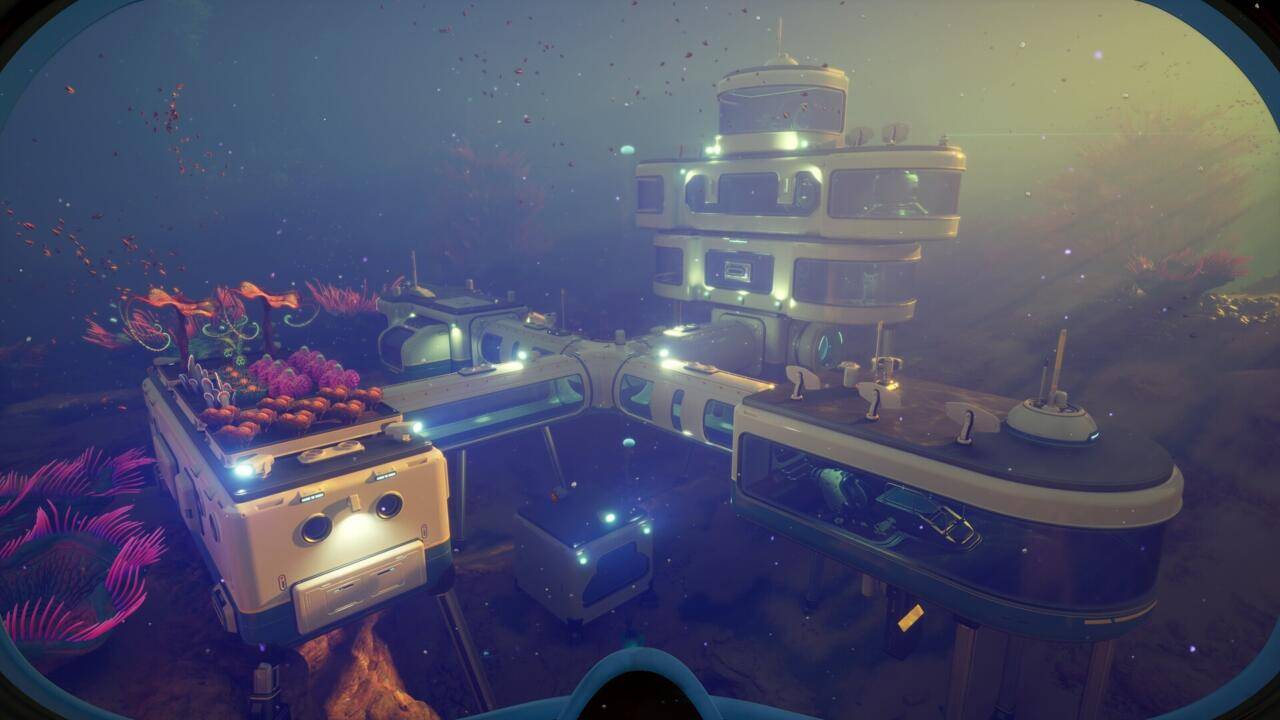
The "Hive Mind" Progression System
This is where Subnautica 2 truly shines. The developers realized that repeating the same "tedious" tasks four times would kill the fun. To solve this, they implemented a Shared Progression System.
Shared Blueprints and Scans
In most survival games, everyone has to find their own blueprints. Not here. If Player A finds a fragment for a Seamoth and scans it, that blueprint is instantly unlocked for all four players. This creates a specialized team dynamic: you can have one person dedicated to hunting for tech while the others focus on base construction or resource gathering.
Shared Data Entries
The PDA is the soul of Subnautica’s lore. In co-op, all Data Entries are synchronized. If one player discovers a piece of the story or scans a new species of flora, every player gets the notification and the data entry in their log. No one gets left behind in the narrative.
Inventory Logistics: What’s Mine is Yours (Mostly)
One of the most contentious points of the co-op launch is the Shared Inventory system. It’s important to manage expectations here to avoid "storage locker drama."
The Rule of Storage: Every storage locker, chest, or vehicle compartment built in the world is publicly accessible. There is no "private locker" feature at launch (though Unknown Worlds has hinted this is coming in a future Early Access patch). If you put your rare Kyanite in a locker, your friend can take it to build their own upgrades.
The Exception: Your character’s personal inventory is the only truly private space. Anything you are physically carrying cannot be accessed by other players unless you drop it on the seafloor.
| Feature | Status in Co-op |
|---|---|
| Blueprints | Shared Globally |
| Storage Lockers | Public / Shared |
| Personal PDA Inventory | Private |
| Crafting Recipes | Shared Globally |
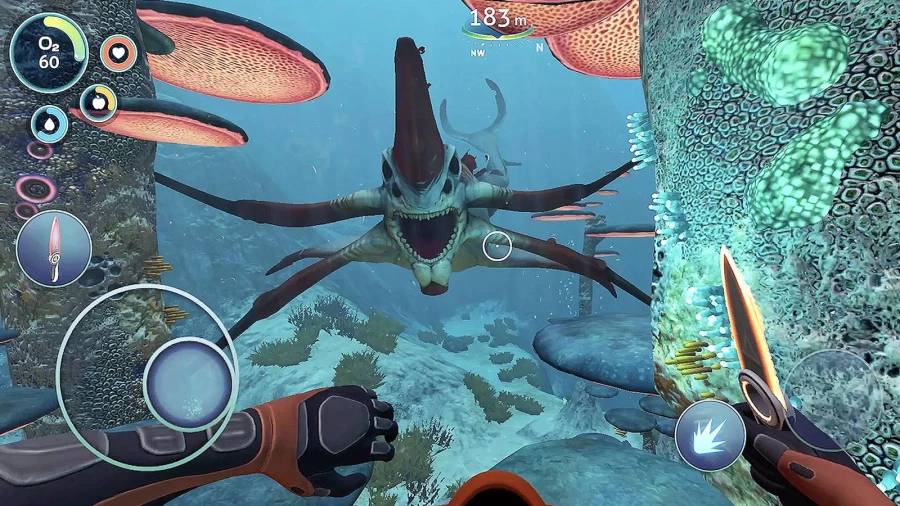
Collaborative Base Building and Vehicles
Base building is no longer a solitary chore. In Subnautica 2, players can work on the same structure simultaneously. One player can be inside placing furniture and reinforcement panels while another is outside expanding the multipurpose rooms.
Vehicle Sharing: Just like lockers, vehicles are shared. If you build a submersible, anyone in your party can hop in and drive it. This makes it highly efficient for a group to build one "Big Rig" (like a mobile base) and move the whole team at once. However, to avoid being stranded, we recommend building multiple smaller scouts so everyone has a "lifeboat" if things go south.
Important Considerations for New Players
Before you dive in, there are a few "quality of life" aspects to keep in mind regarding how the story and world-state function:
- Mid-Game Joining: A new player can join a host's world even if the host is 20 hours deep into the story. The new player will miss the previous cutscenes but will immediately inherit all unlocked blueprints and have access to the host’s high-tier equipment.
- Solo-to-Co-op Conversion: If you started a solo game and realized it’s too scary to go alone, you can convert your solo save into a multiplayer world via the load menu.
- Resource Scaling: While more players mean more hands to gather materials, it also means you’ll consume food, water, and oxygen four times faster. Group coordination on "supply runs" is essential.
The Verdict on Subnautica 2 Multiplayer
The co-op in Subnautica 2 is a game-changer for the survival genre. By focusing on shared progression and removing the "grind" of individual scanning, Unknown Worlds has created an experience that feels like a genuine team expedition rather than four people playing solo in the same room.
Yes, the lack of private storage and the "Host-Must-Be-Online" requirement are slight bummers, but as an Early Access title, the foundation is incredibly solid. The depths of this alien ocean are far less intimidating—and far more fun—when you have a buddy by your side to scream with when a Leviathan appears out of the murk.
Ready to dive? Grab your Friend Codes, pack your nutrient blocks, and we'll see you at the bottom of the trench.