Mega Man Star Force Legacy Collection: The Definitive Way to Play, Warts and All
Mega Man Star Force Legacy Collection Review: Does This DS Classic Hold Up in 2026?
Looking for the best retro collection of 2026? Read our Mega Man Star Force Legacy Collection review. Discover how Capcom brought the 3-panel grid combat to PS5, PC, and Switch. Is this card-based RPG worth $39.99, or is it just for the fans?
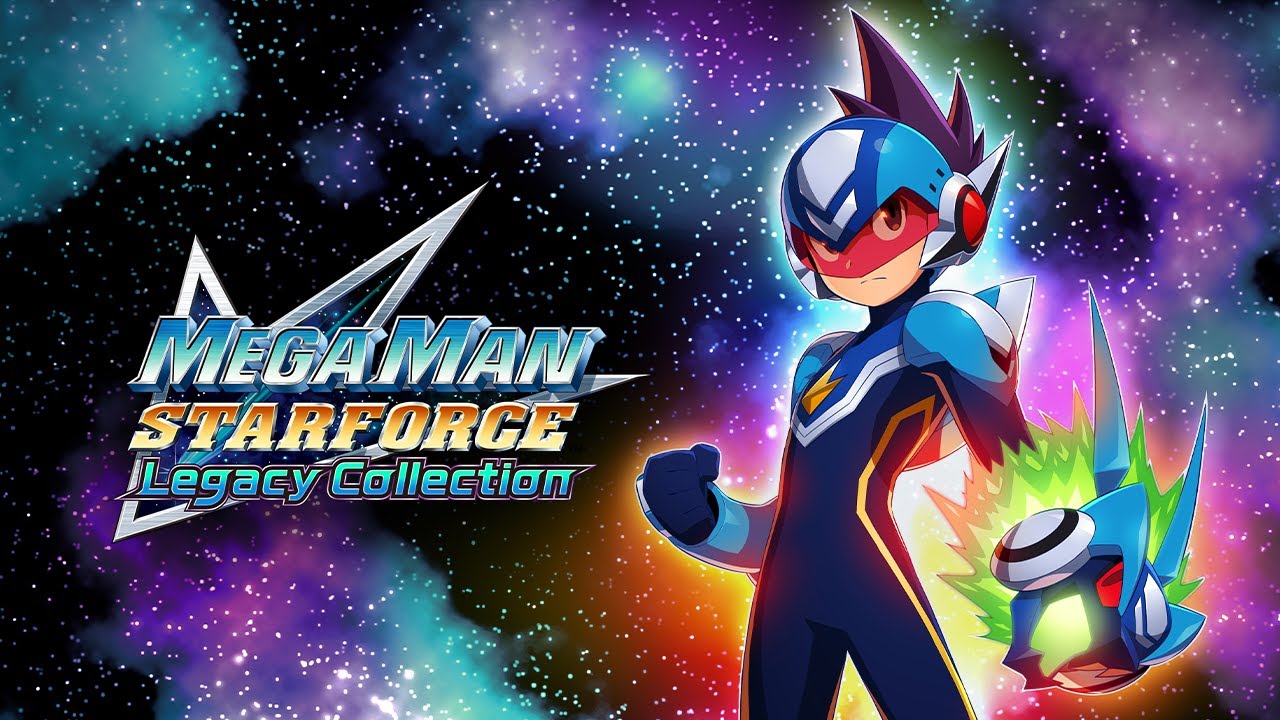
The year 2026 has been a treasure trove for fans of classic gaming. From high-budget remakes to carefully curated bundles, the "Legacy" trend is in full swing. On March 27, 2026, Capcom finally answered the prayers of a dedicated niche within the Blue Bomber’s fanbase by releasing the Mega Man Star Force Legacy Collection.
Spanning three core titles and their various versions (a total of seven games in one package), this collection attempts to rescue a forgotten DS trilogy from the dusty shelves of history and place it onto modern hardware like the PS5, Xbox Series X, and Nintendo Switch. But as we dive into the Wave World in 2026, the question remains: is this a lost masterpiece rediscovered, or a relic whose age is too exposed to ignore?
A Forgotten Legacy: From Battle Network to the Wave World
For many gamers today, the *Battle Network* series is the gold standard for Mega Man spin-offs. *Star Force*, its direct successor, launched roughly 200 years in the future of that timeline. It traded the 6x3 grid for a 3-panel perspective and replaced the internet with "Wave Technology."
The story follows Geo Stelar, an eleven-year-old boy mourning his astronaut father. His life changes when he bonds with an alien FM-ian named Omega-Xis (or Mega), allowing them to merge into the legendary Mega Man. It was a bold shift for Capcom back in the mid-2000s, and playing it today on a 4K screen is a surreal trip down memory lane.
The Emotional Core: A Story of Loneliness and Bonds
If there is one thing the *Mega Man Star Force Legacy Collection* excels at, it is the storytelling of the first game. In an era where many RPGs focus on world-ending stakes immediately, the first Star Force is a surprisingly intimate character study. Geo Stelar is a sensitive, almost melancholic protagonist. His struggle with grief and his hesitation to form "BrotherBands" (the game’s social link system) gives the narrative an emotional weight that is rare for a franchise aimed at a younger demographic.
Unfortunately, the narrative quality takes a slight dip in the sequels. While Star Force 2 and Star Force 3 introduce cool new transformations and threats, the plot beats become more formulaic. They serve the purpose of getting you to the next fight, but they never quite recapture the quiet, heart-tugging moments of Geo’s initial journey. In 2026, the first game still stands as the trilogy’s narrative peak.
Gameplay: Card-Based Combat in 3D Space
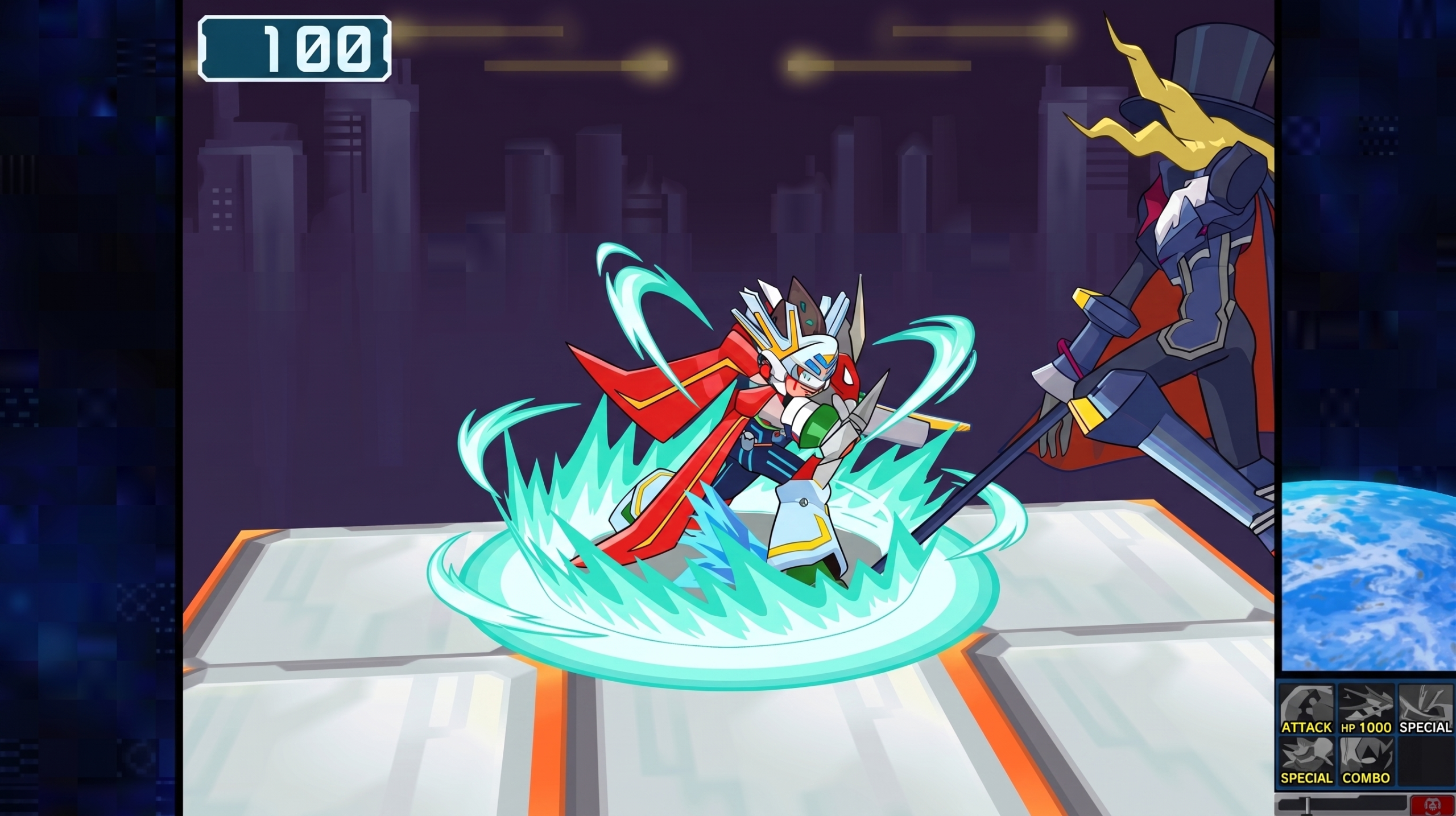
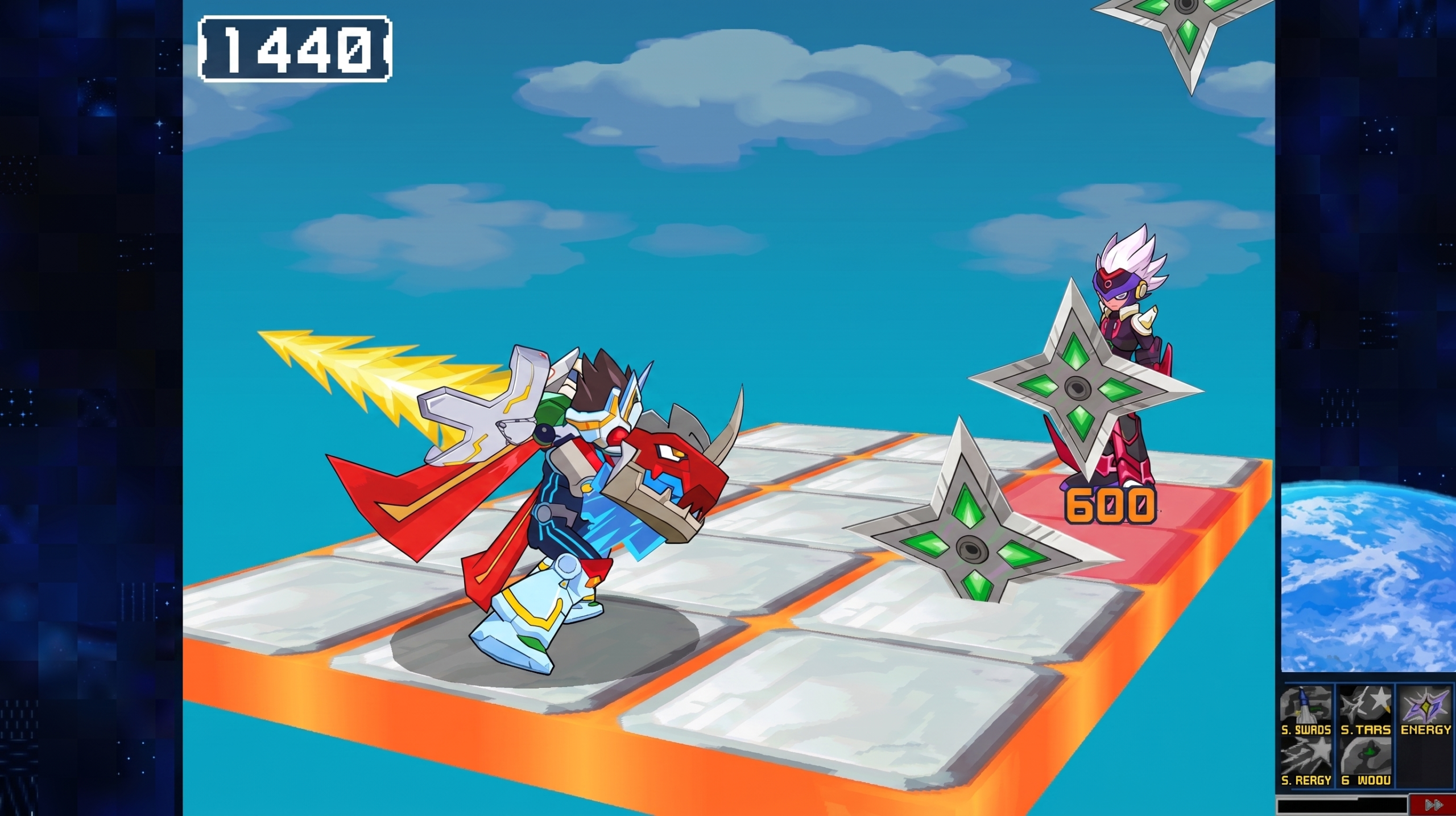
The gameplay loop is a unique blend of isometric exploration and real-time card-based combat. When an encounter triggers, the game shifts to a perspective behind Mega Man. You can only move between three horizontal panels, but you must dodge, shield, and counter enemies while your "Custom Gauge" fills up.
The Art of Folder Building
The "Folder" (your deck of Battle Cards) is where the real depth lies. In 2026, this mechanic feels remarkably modern, pre-dating the explosion of indie deck-builders.
- Synergy is Key: Combining cards that freeze enemies with high-damage electric attacks remains a satisfying loop.
- Mega Transformations: Utilizing "Tribe On" or "Noise Change" forms adds a layer of spectacle and tactical variety.
- Chaining Attacks: Matching cards by column or name allows for devastating combos that can end boss fights in seconds.
However, the transition from DS dual-screens to a single modern display means that the "Custom Screen" where you pick your cards now overlays the action. Capcom has handled this well with a clean, redrawn UI, but the pacing of "pause-select-play" can feel a bit stuttered compared to modern real-time action RPGs.
2026 Quality-of-Life Improvements
Capcom knows that DS-era design can be "grindy." To make the collection palatable for a 2026 audience, they’ve added several vital toggles:
- Navi Locator: Marks optional boss locations on the map, saving you hours of aimless wandering.
- Adjustable Encounter Rates: A godsend for players who just want to experience the story without fighting a virus every five steps.
- Zenny Boosts: Reduces the need to grind for currency to buy expensive cards.
- Buster MAX Mode: For those who find the combat too difficult or just want to breeze through the trash mobs.
Visuals and Performance: Sharp Redraws vs. Pixel Truth
On the PlayStation 5, the collection runs flawlessly at 60 FPS, as expected. The standout feature is the HD Redrawn Illustrations. Every character portrait and card art has been upscale and polished, looking stunning on a high-end display.
However, the actual in-game 3D models and isometric sprites haven't seen a "remake" level of improvement. They are upscaled, but the blocky DS origins are still visible. Capcom offers an optional "Smooth Filter," but in my experience, it makes the game look "smudgy." I highly recommend sticking to the "Classic" pixel look to preserve the artistic intent of the original developers. It feels more authentic to the retro experience we expect in 2026.
Online Play and the Platform Hurdle
The collection includes Online Network Battles and Card Trading, which is a massive win for the community. You can finally test your deck-building skills against players across the country. However, the lack of cross-platform play is a significant disappointment. In 2026, where cross-play is the standard, locking the PC player base away from PS5 or Switch players in a niche collection like this might lead to ghost towns in the matchmaking queues after the initial launch hype dies down.
Audio: The Best Part of the Package
Capcom has outdone themselves with the audio options. You can choose between the original crunchier DS soundtracks or the newly arranged versions for every single track in the trilogy. The built-in music player allows you to listen to these while browsing the gallery, making it a digital museum for Mega Man fans. The inclusion of voice acting in certain key scenes is a nice touch, though the quality is admittedly a bit "early-2000s anime" in its delivery.
The Verdict: A Must-Buy for Nostalgia, A Maybe for Newcomers
The Mega Man Star Force Legacy Collection is an expertly assembled tribute to a series that deserves to be remembered. Its card-based combat is addictive, its first story is genuinely moving, and the quality-of-life additions make it the best way to play these games.
However, the repetitive nature of the sequels and the vague objectives inherited from the DS era may frustrate those who didn't grow up with a stylus in their hand. It is a 7.5/10 experience—a "Great" collection that just misses "Masterpiece" status due to the age of its source material.
Pros:
- 7 Games in One: Incredible value for the $39.99 price point.
- Deep Deck-Building: Folder management is as addictive as ever.
- Emotional First Story: Geo Stelar’s journey is a highlight of the franchise.
- Modern QoL: Fast-forward features and encounter toggles are game-changers.
- Stunning Gallery: A goldmine of concept art and redrawn HD portraits.
Cons:
- Repetitive Sequels: Assets and enemies are heavily reused in games 2 and 3.
- No Cross-Play: Online matchmaking is limited to your specific platform.
- Dated Objectives: "Where do I go now?" moments are frequent without a guide.
Final Score: 75/100 - "A Nostalgic Triumph"
Mega Man Star Force Legacy Collection is available now on PC, PS5, Xbox Series X|S, and Nintendo Switch for $39.99.