
Overwatch 2’s Latest Mythic Skin Ignites ‘Pay-to-Lose’ Controversy: A Deep Dive into Competitive Disadvantage








Popular Now
 Fortnite
 EA SPORT FC 25
 Free Fire Max
 Brawl Stars
PUBG Mobile
Brawl Stars
PUBG Mobile
 Warframe
 NBA 2K24
 God of War Ragnarök
 Rust
Rust
 CarX Street
Overwatch 2’s vibrant cosmetic ecosystem is a cornerstone of its free-to-play model, with highly anticipated Mythic skins often serving as premium draws for players looking to customize their favorite heroes. However, the introduction of the new Ancient Caller Moira Mythic skin has sparked an unexpected and intense debate within the community, centering on a critical accusation: is this highly sought-after cosmetic actually ‘pay-to-lose’?
This isn’t merely about aesthetics; it’s about competitive integrity and the potential for a premium purchase to actively hinder a player’s performance in a fast-paced, skill-based shooter. As a game review specialist, we delve into the core of these allegations, examining how a cosmetic could become a liability, and what this means for Overwatch 2’s monetization strategy and its dedication to balanced gameplay.
The Allure of Ancient Caller Moira: Initial Hype and Customization
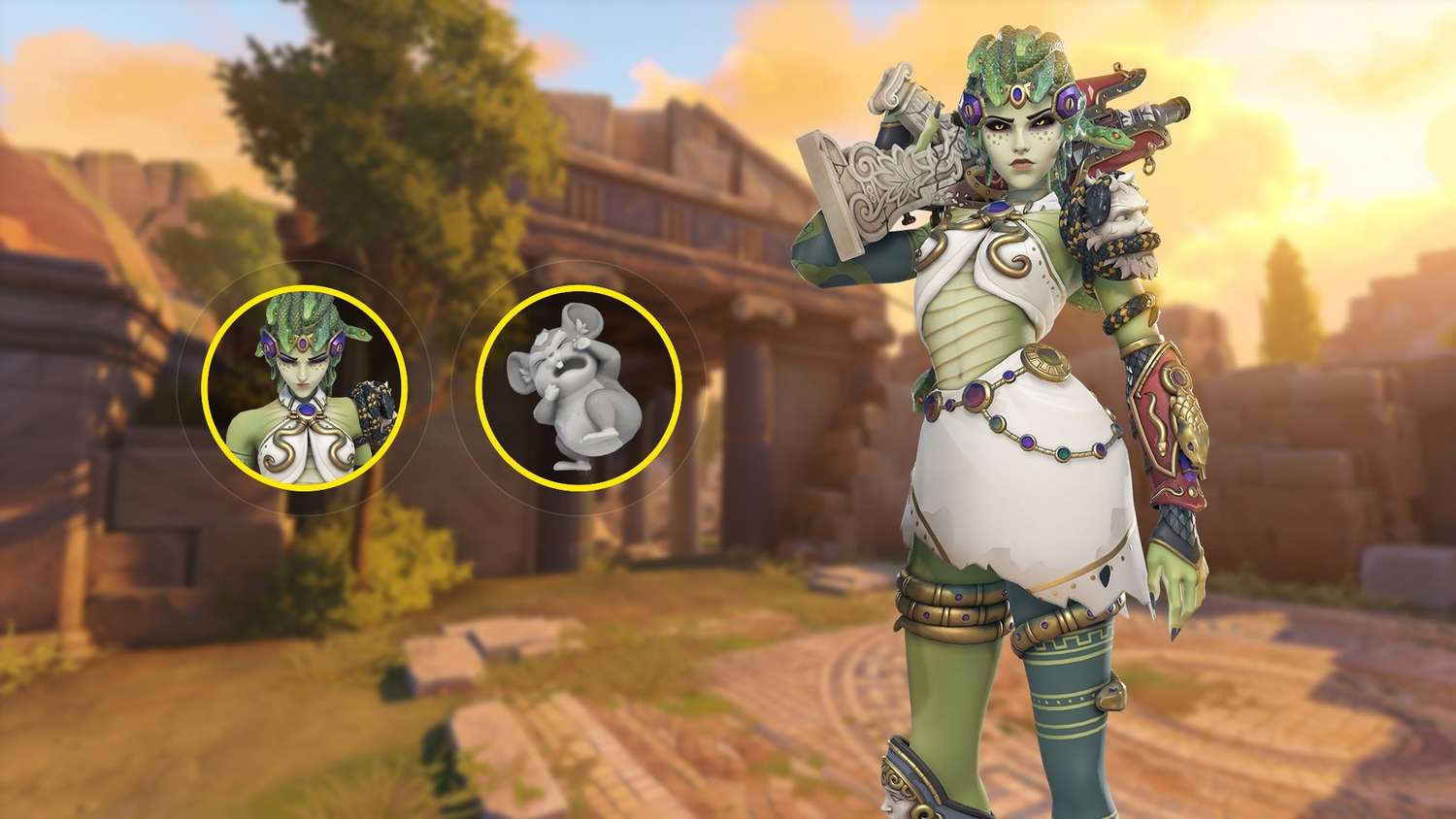
The Ancient Caller Moira Mythic skin, revealed as part of a new battle pass, initially generated considerable excitement. Players were eager to customize Moira, a popular support hero, with its unique visual effects, sound design, and extensive customization options for different aesthetic configurations. Mythic skins are designed to be the pinnacle of cosmetic offerings, providing a level of detail and dynamic elements not found in legendary or epic skins. They often include:
- Unique model changes
- Customizable parts (head, weapon, body)
- Exclusive visual and sound effects for abilities
- Dedicated animations
For many, acquiring a Mythic skin is a significant milestone, representing dedication to a hero or the game itself. The Ancient Caller skin promised to elevate Moira’s visual identity, transforming her into an otherworldly entity with intricate designs and glowing effects. The initial sentiment was overwhelmingly positive, with players eager to experience the new look in their matches.
 The ‘Pay-to-Lose’ Accusation: Visual Clutter and Gameplay Impact
 The ‘Pay-to-Lose’ Accusation: Visual Clutter and Gameplay Impact
However, once the Ancient Caller Moira skin hit live servers, a different narrative began to emerge, particularly among high-ranked and competitive players. The core of the ‘pay-to-lose’ argument stems from several alleged disadvantages related to the skin’s visual design and how it interacts with Moira’s abilities and player perception:
- Increased Visual Footprint: Many players report that the Ancient Caller skin, particularly certain configurations, appears significantly larger and bulkier than Moira’s default or other legendary skins. This isn’t about the actual hitbox changing (which Blizzard generally ensures does not happen with cosmetics), but rather the perceived size and visual clutter on the screen. A larger visual footprint can make Moira seem like an easier target for enemies, drawing more attention and potentially leading to more incoming damage.
- Obscured Ability Visuals: Moira’s primary healing and damage beams (Biotic Grasp) are crucial visual indicators for both her and her opponents. With the Ancient Caller skin, some players claim the visual effects for these abilities are either less distinct, blend too much with the skin’s intricate details, or are simply more distracting. This could lead to a less clear understanding of her effective range, or make it harder for allies to discern healing priority in a chaotic team fight.
- Fade Animation Distortion: Moira’s Fade ability is her primary escape and repositioning tool, making her invulnerable and untargetable for a brief moment. Precise timing and visual clarity are paramount. Some observations suggest that the Ancient Caller skin’s unique effects during Fade might make the animation slightly less clear or more jarring, potentially affecting player reaction times or confusing opponents about her exact location post-Fade.
- Ultimate Visual Noise (Coalescence): Her ultimate, Coalescence, is a powerful beam that heals allies and damages enemies. While impressive, the Ancient Caller’s unique visual effects for Coalescence are perceived by some as adding unnecessary visual noise. In high-stakes moments, this visual information overload could make it harder for the Moira player to track targets or for teammates to understand the ultimate’s trajectory and coverage.
These perceived disadvantages, while potentially subtle, can accumulate in competitive environments where milliseconds and clear visual cues dictate success or failure. For a player who has invested money or significant time into unlocking this premium cosmetic, realizing it might actively work against them is a bitter pill to swallow.
Competitive Integrity vs. Monetization: A Delicate Balance
The ‘pay-to-lose’ controversy for Overwatch 2 skins highlights a critical tension point in modern free-to-play games: the balance between aggressive monetization strategies and the preservation of competitive integrity. Developers aim to create compelling cosmetics that encourage in-game purchases, which fund ongoing development and live service operations. However, a fundamental principle, especially in competitive titles, is that cosmetic items should never confer a gameplay advantage or disadvantage.
Blizzard Entertainment, like many other major developers, has historically maintained that cosmetics are purely aesthetic. Any deviation from this principle, even if unintended due to visual design choices, can erode player trust and damage the perception of fair play. The community’s strong reaction underscores the importance players place on a level playing field, where skill, not skin choice, determines outcomes.
- Player Experience: The overall player experience is paramount. If purchasing a premium item leads to frustration or perceived unfairness, it can negatively impact retention and future purchasing decisions.
- Esports Implications: For a game with a burgeoning esports scene, any hint of a cosmetic affecting competitive play is a serious concern. Professional players and high-level ranked players rely on absolute clarity and consistency.
- Developer Responsibility: Blizzard faces the challenge of designing visually stunning skins that also remain functionally neutral. This often requires rigorous testing, not just for bugs, but for subtle psychological and perceptual impacts on gameplay.
Community Reaction and the Path Forward
 Community Reaction and the Path Forward
The ‘pay-to-lose’ discourse around the Ancient Caller Moira skin has been vibrant across social media platforms, Reddit, and official Overwatch 2 forums. Players are sharing clips, discussing specific visual elements, and calling for Blizzard to address the concerns. While some players might not notice or be bothered by these issues, enough prominent voices and detailed analyses have emerged to warrant a closer look from the developers.
Historically, Blizzard has been responsive to significant community feedback regarding game balance and player experience. Potential remedies could include:
- Visual Adjustments: Tweaking the skin’s visual effects, particularly those related to ability clarity or overall size perception, without fundamentally altering its core design.
- Developer Acknowledgment: Acknowledging the feedback and clarifying Blizzard’s stance on cosmetic neutrality and future design principles.
- Player Choice: Emphasizing that players always have the option to use other skins or the default if they feel disadvantaged. However, this doesn’t fully resolve the issue for those who purchased the Mythic skin specifically for its premium appeal.
The Ancient Caller Moira Mythic skin saga serves as a crucial reminder for game developers about the delicate art of balancing enticing premium cosmetics with the non-negotiable demand for game balance and competitive fairness. For Overwatch 2, a title built on competitive play, ensuring that every player feels their investment enhances, rather than hinders, their gameplay is vital for long-term success and maintaining a loyal player base. This ongoing debate reinforces the idea that even the most impressive visuals must yield to the imperatives of clear, equitable gameplay, especially when real money is involved in in-game purchases.