From PC to Portability: Perfect Tides: Station to Station Launches on Nintendo Switch
Perfect Tides: Station to Station Nintendo Switch Review — The Ultimate Indie Adventure Game of 2026?
Meredith Gran's acclaimed point-and-click sequel Perfect Tides: Station to Station is officially out on Nintendo Switch! Read our definitive 1,500-word review exploring its 2003 setting, branching narrative loops, and massive mass transit puzzle design.
The year 2026 has been an exceptional period of growth for the Nintendo Switch library, particularly for independent developers who prioritize rich, literary writing over mindless graphical flash. While giant AAA publishers are caught in a cycle of iterative sequels, the independent gaming landscape continues to deliver profound meditations on the human condition. A standout moment occurred on May 21, 2026, when the brilliant point-and-click narrative sequel Perfect Tides: Station to Station officially made its grand console debut on the Nintendo Switch eShop, following its critically acclaimed initial run on PC via Steam.
Developed under the Three Bees studio banner—the creative vehicle for legendary independent cartoonist and writer Meredith Gran—this title carries immense artistic pedigree. Before transitioning her talents into the video game medium with the original 2022 *Perfect Tides* cult hit, Gran spent a decade writing and illustrating the iconic, award-winning webcomic *Octopus Pie*. With *Station to Station*, Gran moves her canvas forward, shifting from a semi-isolated island upbringing into the terrifying, exhilarating expanse of early-2000s urban life. In this comprehensive 1,500-word review, we explore the intricate mechanics of urban navigation, the game's unique approach to "conceptual inventories," and why its transition to the Nintendo Switch makes it a mandatory download for anyone seeking a masterclass in interactive fiction.
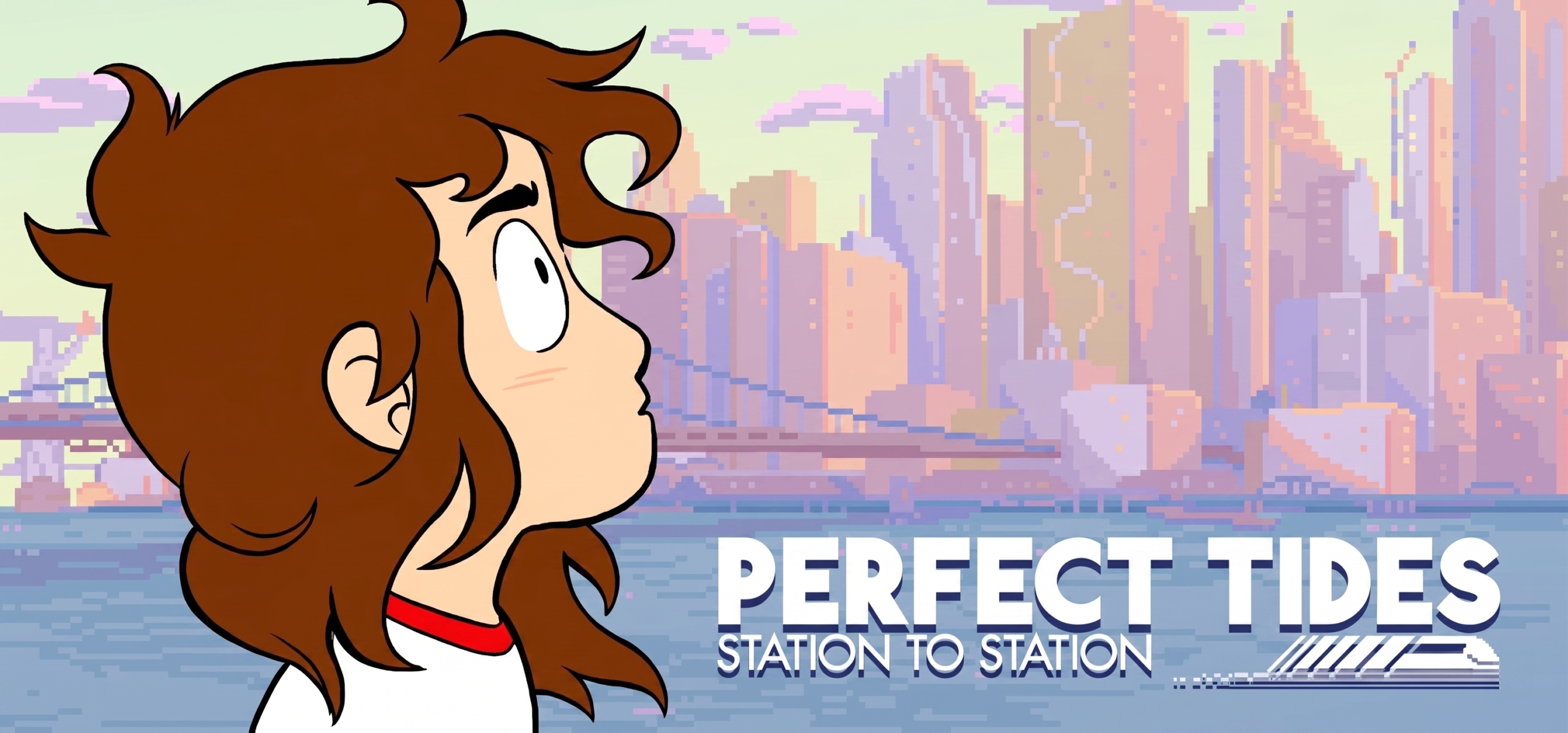
The Evolution of Mara: Navigating the Year 2003
The narrative framing of Perfect Tides: Station to Station picks up shortly after the events of the first installment, but it is explicitly engineered to stand completely on its own two feet. Newcomers who never played the 2022 prequel can dive straight into this adventure without feeling lost, as the writing beautifully fills in the emotional gaps. The story transports players back to the distinct, highly nostalgic era of the year 2003—a time defined by dial-up internet culture, early online blogging platforms, flip phones, and indie rock zines.
We are introduced to protagonist Mara, who has officially crossed the threshold from an angsty, island-bound teenager into an 18-year-old college freshman starting her life over in a massive, sprawling metropolis. The theme of the entire campaign is centered around the concept of young adulthood momentum—and the intense emotional whiplash that inevitably follows when your expectations clash with cold reality. Mara has left the safety of her childhood home to pursue a career as a writer, and the game pulls no punches in illustrating the raw vulnerability of that transition. You are dropped into her shoes as she fumbles through complicated social hierarchies, navigates financial anxieties, and struggles with the crushing weight of modern existence.
The Metrolink Infrastructure: Over 60 Urban Environments
Mechanically, *Station to Station* takes the classic point-and-click adventure format and expands its geographical scope massively. Rather than confining the gameplay to a small cluster of static screens, Meredith Gran and the engineering team at Three Bees have constructed a living, breathing metropolis comprised of more than 60 distinct environments to analyze and explore.
The stroke of structural genius lies in how these locations are bound together. The entire map is connected in real-time through the city’s complex public mass transit system. To progress through her college semester, Mara must manually study subway schedules, purchase transit tickets, map out train transfers, and navigate bustling, low-visibility train stations. The mass transit system doesn't just act as a glorified fast-travel menu; it functions as a central gameplay puzzle and an emotional barometer for Mara’s mental state. Navigating a crowded subway car at midnight after a disastrous social gathering perfectly captures the profound loneliness and sensory overload of big-city living.
The Conceptual Inventory: Collecting Ideas and Memories
Traditional point-and-click puzzle adventures typically require players to hunt pixels for physical objects—using a rusty key on a padlock or combining a piece of gum with a broom handle to grab a lost item. *Perfect Tides: Station to Station* completely overhauls this dated trope by introducing a brilliant, highly cerebral Conceptual Inventory System.
While you will still occasionally collect tangible physical items in Mara's backpack, your primary inventory slots are dedicated to storing abstract mental data:
- Internal Ideas: Fleeting creative thoughts or observations that Mara logs during her city walks, which can later be deployed at her desk to compose articles or creative essays.
- Core Memories: Crucial past experiences or childhood trauma nodes that can be activated during internal monologues to shift Mara's psychological perspective on a current crisis.
- Names & Identities: Logging the aliases, internet handles, and backgrounds of the diverse characters she meets across the city blocks.
- Conversation Topics: Specific themes, gossip, or political debates gathered from eavesdropping in coffee shops, which can then be brought up during dynamic dialogue encounters to forge deeper social bonds.
This innovative design transforms basic conversation into a tactical strategic loop. If you wish to build a meaningful relationship with a reclusive classmate or navigate a sensitive romantic entanglement, you must actively deploy your collected conversational topics and ideas at the exact correct psychological moment, mirroring the complex social calculations of real-world young adulthood.
Seasonal Acts and the Non-Linear Narrative Grid
The overarching campaign of *Perfect Tides: Station to Station* is divided cleanly into a sequence of comprehensive seasonal acts, tracking a full calendar year of Mara’s freshman experience from autumn through the heat of summer. Within each seasonal block, the game offers an exceptional level of non-linear freedom. Players are free to dictate their weekly schedules, choosing which urban districts to visit via the transit tunnels and deciding how to balance their finite hours.
This structural freedom feeds directly into a sophisticated branching narrative engine. Your choices regarding who to spend time with, which creative paths to prioritize, and how to react during moments of confrontation actively alter the direction of the script. The game features multiple distinct branching outcomes, ensuring that no two players experience the exact same version of Mara’s freshman year. The table below illustrates how these choices branch across different social and narrative focus points:
| Player Focus Path | Primary Urban Location | Core Character Relationships | Long-Term Narrative Outcome |
|---|---|---|---|
| The Academic / Writer | University Library & Editing Rooms | Literary Mentors, Professors, & Publishers | Unlocks premium publishing opportunities; shapes an intellectual, career-focused identity. |
| The Socialite / Romantic | Downtown Clubs & Indie Gig Venues | Subterranean Musicians & Local Artists | Drives intense romantic loops; prioritizes immediate human connection over institutional stability. |
| The Urban Flâneur | Mass Transit Trains & Distant Boroughs | Transit Strangers & Eccentric Outcasts | Maximizes conceptual inventory collection; fosters a deeply reflective, independent worldview. |
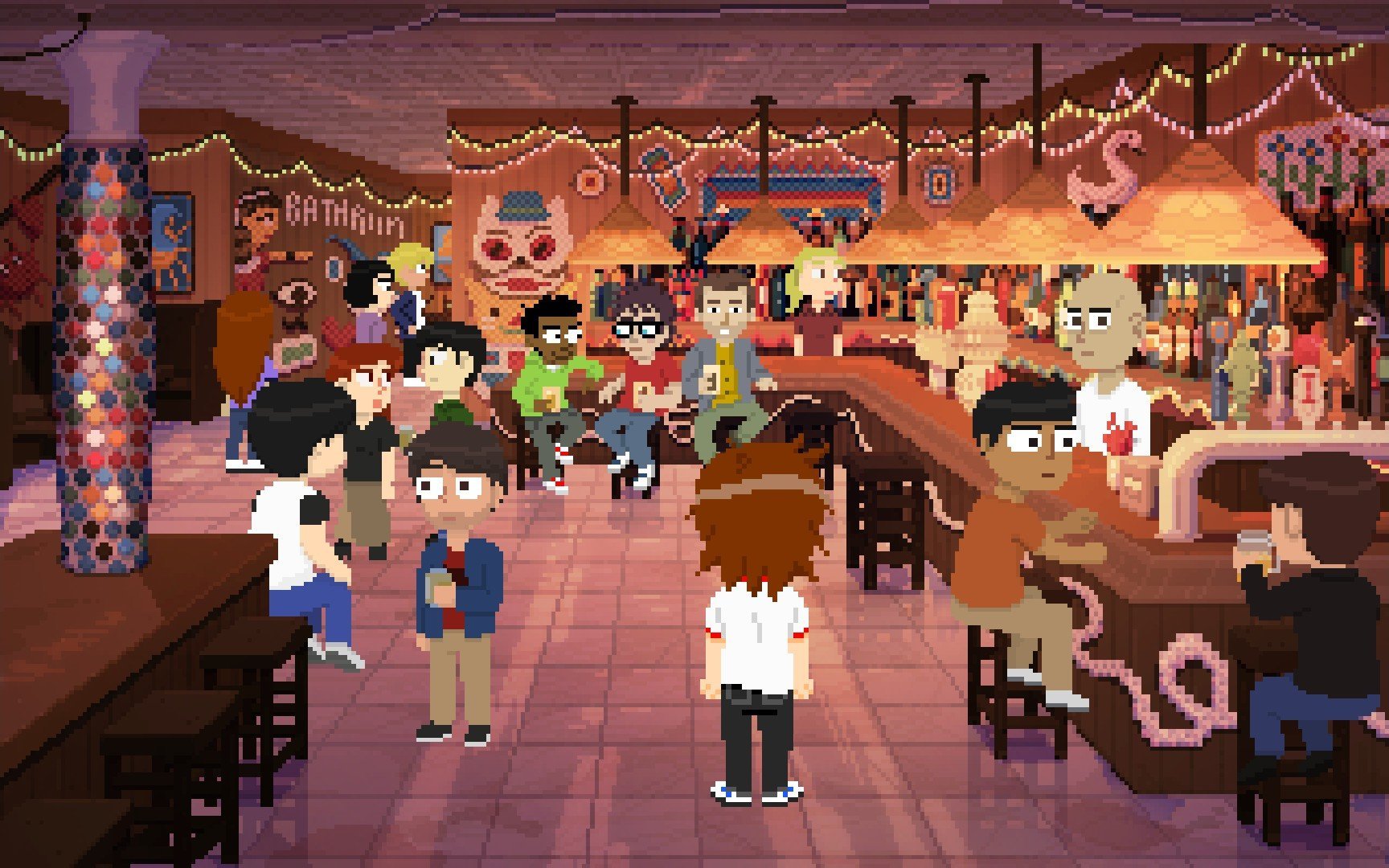
Embracing the Beauty of Vulnerability and Failure
What elevates the writing in *Station to Station* above almost every other contemporary narrative release in 2026 is its absolute refusal to shield its protagonist from failure. Mara is not a flawless avatar of wish fulfillment; she is a deeply flawed, hyper-realistic 18-year-old human being.
The game actively leans into the reality that growing up is a messy, uncoordinated sequence of errors. Throughout her full calendar year in the big city, Mara screws up constantly. She makes catastrophic financial decisions, enters toxic relational loops, fundamentally misunderstands the motivations of her peers, and frequently gets deeply misunderstood herself by the people she cares about most. However, the game’s core philosophical thesis is that life is profoundly worth all of the inherent vulnerability and emotional risk. Every awkward conversation, failed writing draft, and fractured friendship serves as a vital building block, ultimately teaching the player that human connection remains an absolute necessity despite all of our internal messiness.
"Perfect Tides: Station to Station turns the traditional point-and-click interface into a mirror for our own youthful insecurities. It is a game where failing an interaction feels just as meaningful as passing one."
Technical Performance on Nintendo Switch
For a title that relies entirely on gorgeous, high-end pixel art illustration and rapid scene transitions, the Nintendo Switch functions as an absolute dream platform. The port executed by Three Bees is flawlessly optimized, targeting a rock-solid, stable frame rate in both handheld and docked television modes.
The game's beautiful, nostalgic color palettes and highly expressive character sprites shine exceptionally bright on the Nintendo Switch's screen, making the act of curled-up handheld reading incredibly cozy and comfortable. The user interface has been expertly mapped to console controllers, allowing players to scroll through their massive conceptual inventories and point-and-click across the dense urban backdrops using smooth analog tracking. Load times when transitioning between the 60+ subway environments are near-instantaneous, ensuring that the emotional pacing of Meredith Gran’s exceptional prose is never broken by annoying technical bottlenecks.
Conclusion: The Defining Literary Indie of 2026
Ultimately, Perfect Tides: Station to Station is an uncompromised, profoundly moving triumph that captures the absolute crown as one of the finest independent games of 2026. Meredith Gran has successfully bridged the gap between sequential comic art and interactive storytelling, delivering a script that boasts the depth, wit, and emotional resonance of a top-tier coming-of-age novel.
While the game's text-heavy, methodical pacing means it will undoubtedly alienate casual players who demand rapid action or explicit quest markers, its unique conceptual inventory, brilliant mass transit level design, and deep respect for narrative failure make it an absolute masterpiece for strategy and adventure purists. November 19 might be the day the corporate blockbusters arrive, but May belong entirely to the quiet, vulnerable poetry of Three Bees. Download it onto your Nintendo Switch today—the trains are running on schedule, the city is vast, and Mara’s story is waiting to be written.
Perfect Tides: Station to Station Launch Profiles:
- Developer / Publisher: Three Bees (Meredith Gran).
- Console Release Date: May 21, 2026 (Out Now on eShop).
- Platform Availability: Nintendo Switch and PC via Steam.
- Historical Pedigree: Sequel to the 2022 cult classic *Perfect Tides*; created by the author of *Octopus Pie*.
- Core Systems: 60+ Connected Transit Environments, Conceptual Inventories, and Seasonal Branching Arcs.