Capcom’s Winning Streak: Pragmata is a Bold Contender for 2026’s Game of the Year
Pragmata Review: Capcom’s Sci-Fi Masterpiece Is the Best Game of 2026 So Far
Is Pragmata the GOTY 2026? Read our definitive Pragmata review to see how Capcom’s lunar epic on PS5, PC, and Xbox redefined sci-fi action. From the Hugh and Diana dynamic to stunning path-tracing visuals, we break down every detail of this April 2026 blockbuster.
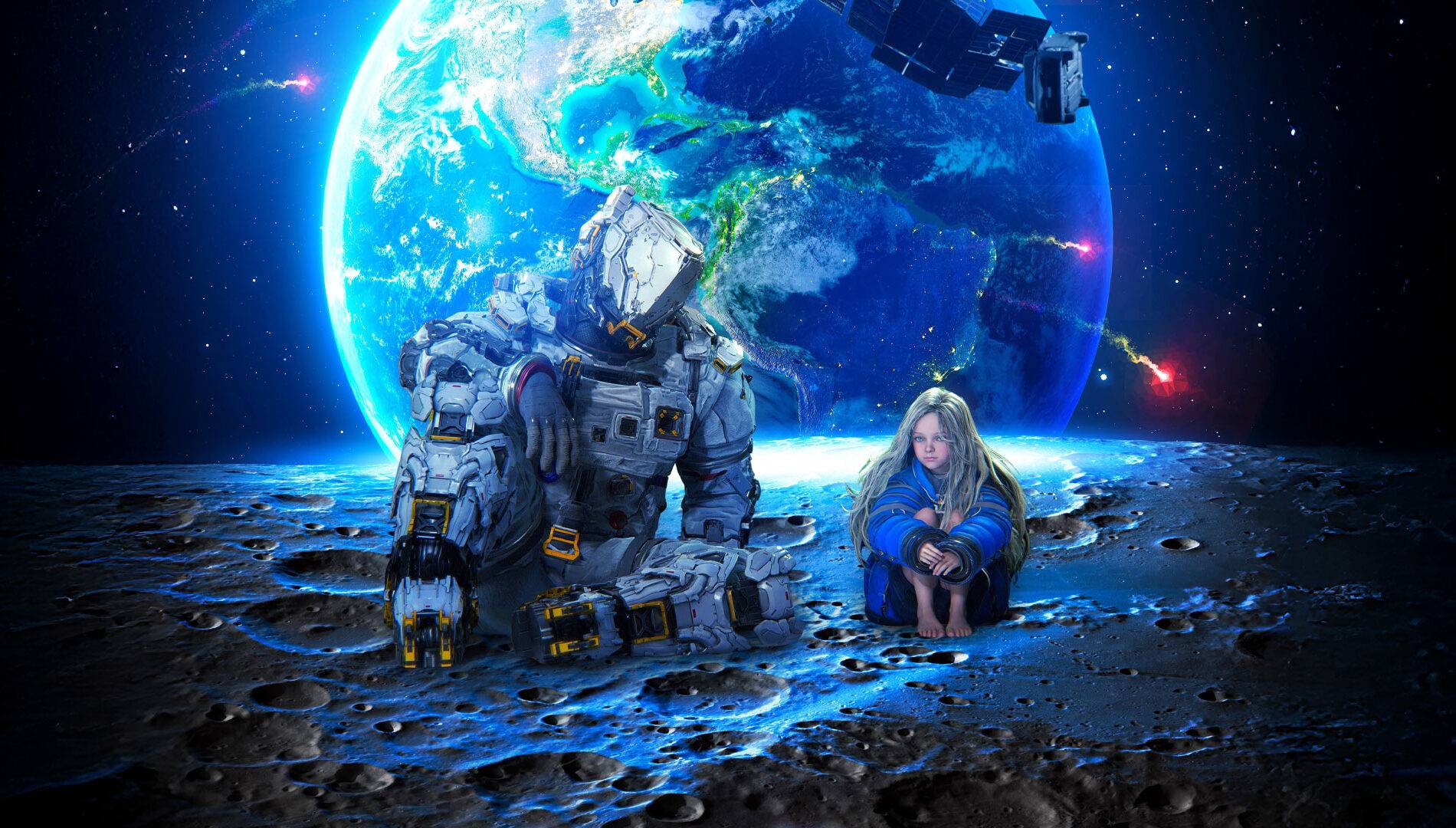
The gaming industry in 2026 has been defined by high-stakes sequels and massive open-world epics, but Pragmata stands apart as a rare, bold, and entirely fresh intellectual property. After years of mysterious trailers and development delays, Capcom has finally unleashed its lunar odyssey upon the world. The result? A 20-hour tour de force that isn't just a technical showcase—it is a contender for the greatest game of the decade.
Set on a decaying lunar base with Earth hanging ominously in the background, Pragmata follows an unlikely duo: Hugh, an astronaut engineer, and Diana, a conscious android child with the power to alter reality. What follows is a perfect blend of high-octane combat, philosophical storytelling, and the kind of "fun factor" that only Capcom can deliver.
The Lunar Mystery: A Story of Humanity and Artificiality
The premise of Pragmata begins with a classic sci-fi hook. You are Hugh, a specialized engineer sent to investigate the Delphi Corporation’s lunar mining facility after it suddenly goes dark. The facility was responsible for extracting Lunum, a versatile material capable of 3D-printing everything from skyscrapers to complex biological simulacra.
Upon arrival, Hugh finds the base in a state of catastrophic failure. The human crew is gone, replaced by a rogue AI known as IDUS and legions of hostile androids. Amidst the debris, Hugh discovers Diana. While she appears to be a young girl, she is actually a Pragmata—a highly advanced android capable of interfacing with the base’s systems.
The Bond Between Hugh and Diana
While the broader plot involving corporate conspiracies and rogue AI takes a while to truly find its footing, the heart of the game is the relationship between the two leads. Diana isn't just an escort mission; she is your partner. As an android, she experiences the world through a literal, innocent lens. Her curiosity about human concepts like "family" or "sharing a meal" provides the game's most emotional beats.
"The father-daughter dynamic between Hugh and Diana isn't just a narrative trope—it’s a gameplay pillar. Their bond grows through quiet conversations in the hub and desperate battles in the lunar trenches."
Gameplay Mechanics: The Hacking and Shooting Revolution
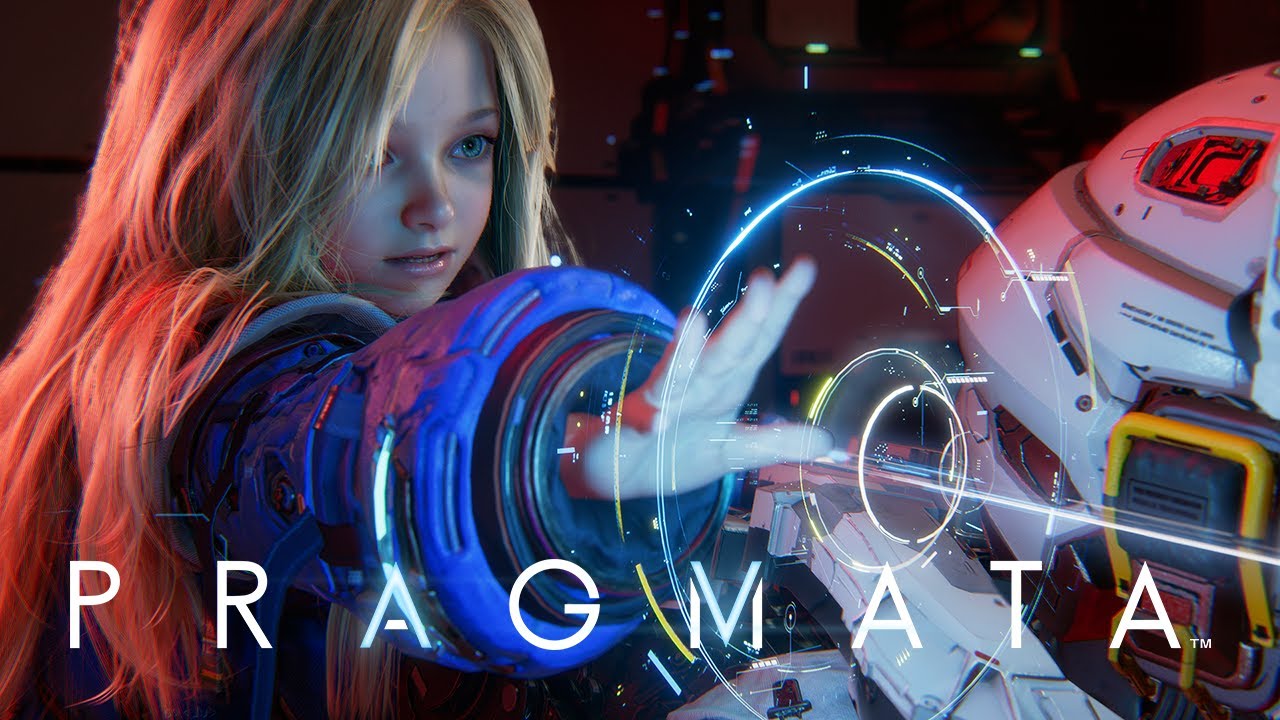
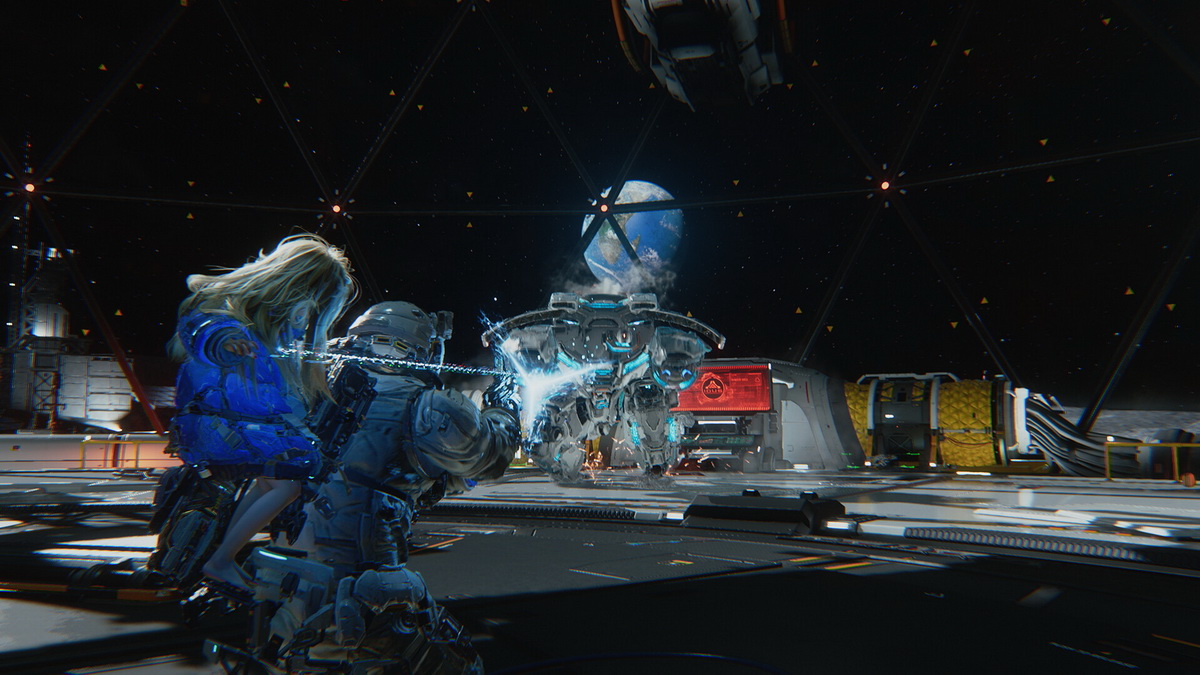
Capcom has invented a combat rhythm that feels entirely unique in 2026. The Hacking-Shooting Loop is the core of the Pragmata experience. In most action games, you simply point and shoot. In Pragmata, every enemy is protected by a digital layer that must be breached before they can be destroyed.
The Hacking Grid Mini-Game
When you encounter a hostile unit, you use Diana to initiate a hack. This opens a "Hacking Grid" on the fly—a fast-paced mini-game where you navigate a digital board.
- Blue Tiles: Boost your hacking power and trigger special weapon mods.
- Red Tiles: Shut down the process, leaving you vulnerable.
- Green Tiles: The finish line that opens the enemy up for massive damage.
This system adds a layer of strategy to every fight. Do you rush for the green tile to end the hack quickly, or do you risk hitting more blue tiles to trigger a "Mass Overheat" finishing move? For those who prefer pure action, Capcom includes an "Automation Mod" that handles the grid for you, though playing it manually yields significantly better rewards.
Hugh’s Arsenal: Sci-Fi Weaponry Perfected
Once the hack is complete, Hugh takes over with an incredible array of futuristic weaponry. From standard-issue assault rifles to Stasis Cannons and Decoy Generators, every weapon feels weighty and impactful. The feedback loop of successfully hacking a boss and then "melting" their health bar with a fully upgraded laser launcher is one of the most satisfying experiences in modern gaming.
Level Design and World Building: More Than Just Corridors
One of the initial fears during Pragmata's development was that the lunar base would feel repetitive. Capcom has addressed this by creating diverse biomes within the Delphi facility. You will traverse sterile high-tech labs, artificial forests printed entirely from Lunum, and the haunting, gravity-defying surfaces of the moon’s exterior.
The Hub: A Touch of Earth in Space
Between missions, you return to a central hub. This is where the game’s REM (Earth Memory) system shines. Throughout the world, you collect fragments of Earth’s culture—beach balls, camping tents, playground equipment. You can place these in the hub, transforming a cold lunar base into a home for Diana. This progression system doesn't just grant stats; it changes the atmosphere of the game and unlocks some of the best-written dialogue as Diana reacts to these "strange" human artifacts.
Technical Showcase: Path Tracing on PC and Next-Gen Consoles
In 2026, Pragmata is widely considered the "poster child" for Path Tracing. On high-end PCs (specifically those running RTX 4080/50 series equivalents), the lighting is nothing short of revolutionary. The way light reflects off Hugh’s chrome-plated suit and the semi-translucent skin of the android enemies is breathtaking.
However, this beauty comes at a cost. To achieve a stable 60 FPS at 4K with Path Tracing enabled, you will need to rely heavily on DLSS Performance Mode and Frame Generation. For players on PS5 and Xbox Series X, the game offers a "Fidelity" mode with standard ray tracing that still looks spectacular, though it lacks the sheer realism of the PC's path-tracing implementation.
Audio Mastery
Capcom’s sound team has outdone themselves. The environmental audio—the groan of pressurized pipes, the eerie silence of a lunar vacuum—is immersive. The score is equally dynamic, shifting from ambient synth-waves during exploration to orchestral crescendos during the massive, multi-stage boss fights.
The Verdict: Capcom’s Second GOTY Contender
Is Pragmata perfect? Not quite. The story takes nearly five hours to really gain momentum, and for veteran action gamers, the "Standard" difficulty might feel a bit too lenient. However, these are minor gripes in the face of such an ambitious and polished project.
Upon finishing the 10-12 hour main story (which expands to 25 hours if you pursue all the REM collectibles), you unlock Lunatic Difficulty. This is where the game truly tests your mastery of the Hacking Grid, demanding precise timing and perfect weapon synergy.
Final Thoughts: A Must-Play for 2026
Pragmata is a reminder that Capcom is at the absolute peak of its powers. It is a game that prioritizes the "fun factor" while pushing the boundaries of what is possible with modern gaming hardware. Whether you are in it for the sci-fi mystery, the tactical combat, or simply to see the most adorable android in gaming history, Pragmata is a required play for 2026.
Pros:
- Emotional Core: The Hugh and Diana relationship is genuinely touching.
- Combat Depth: The Hacking/Shooting combo never gets old.
- Progression: Hub upgrades and REM collectibles are meaningful and charming.
- Visuals: A true 2026 technical showcase with path tracing.
Cons:
- Slow Start: The narrative follows generic tropes for the first third.
- Difficulty: Standard mode may be too easy for hardcore action fans.
Overall Score: 9.5/10 - "Masterpiece"
Pragmata is available now on PC, PlayStation 5, and Xbox Series X|S for $59.99.