DRACULA: THE DISCIPLE — ECHOES OF THE NIGHT
Dracula: The Disciple – Unveiling the Alchemical Nightmare of Cyanide Studio’s Gothic Return
The year is 2026, and the "Vampire Renaissance" is officially in full swing. While the early 2000s were dominated by leather-clad action and brooding romance, the modern era of vampire gaming is leaning back into its roots: Gothic horror, the occult, and the terrifying price of immortality. During the recent Nacon Connect 2026 event, the spotlight shifted to a project that feels like a love letter to Bram Stoker, yet twisted through a lens of alchemical experimentation: Dracula: The Disciple.
Developed by the veterans at Cyanide Studio—the team behind the atmospheric Call of Cthulhu and the Styx series—this upcoming title promises to trade frantic combat for cerebral, bone-chilling exploration. Scheduled for a 2027 release on PC (Steam), PlayStation 5, and Xbox Series X|S, Dracula: The Disciple is shaping up to be the most immersive digital descent into Transylvanian lore to date.
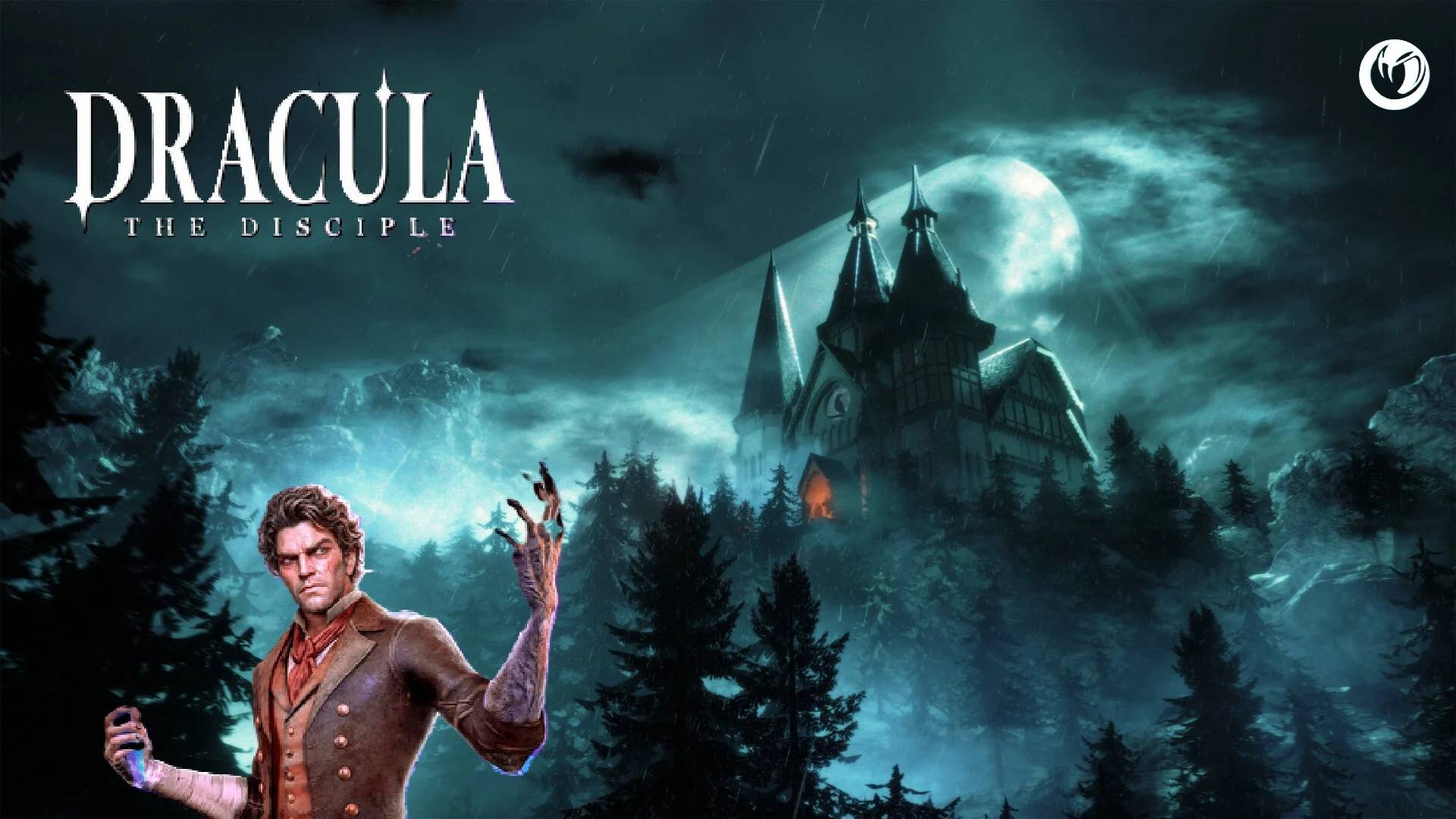
The Desperate Plight of Emile Valombres: 1866 Transylvania
The narrative of Dracula: The Disciple begins not with a hero, but with a victim. Set in 1866, we step into the dusty boots of Emile Valombres, a French archivist whose life is measured in weeks rather than years. Stricken by a terminal illness that 19th-century medicine cannot touch, Emile has exhausted every rational option. His final hope lies in a rumor whispered in the darkest corners of academic circles: that within the abandoned, decaying walls of Count Dracula's castle, there exists a cure that defies nature itself.
Emile is not a warrior; he is an intellectual. He arrives in Transylvania with a lantern in one hand and a dying man's desperation in the other. The game focuses heavily on the psychological weight of his mission. Every cough from Emile reminds the player that time is a resource, and the shadows of the castle are growing restless.
The "Curse as a Cure": The Vampiric Metamorphosis
The core hook of Dracula: The Disciple is the paradox of survival. To cure his terminal disease, Emile must essentially replace his humanity with something else. The "cure" is the vampiric transformation. However, this isn't an instantaneous transition. As you explore the castle, you are caught in a state of flux—part man, part monster.
A Supernatural Evolution
As the disease recedes and the vampirism takes root, you unlock supernatural abilities. These aren't just for flair; they are essential tools for progression. In a classic "Puzzle-Castle" format, certain areas of the fortress are physically impossible for a human to navigate. Perhaps a gap is too wide, or a ledge is too high. By tapping into the nascent power of the Count, Emile can reach these areas, but at a cost. The more you use these powers, the further you drift from the world of the living.
The Homework of a Monster
Unlike Castlevania or Vampyr, your primary weapon here is your intellect. Count Dracula was more than just a predator; he was a scholar of the forbidden. The castle is littered with his "cursed homework":
- Alchemical Research: Recipes for elixirs that bridge the gap between life and death.
- Occult Notes: Instructions on how to manipulate the veil between realities.
- Incantations: Words of power used to unlock the castle's most hidden mechanisms.
- Personal Correspondence: Letters that reveal the Count's motivations and his own descent into darkness.
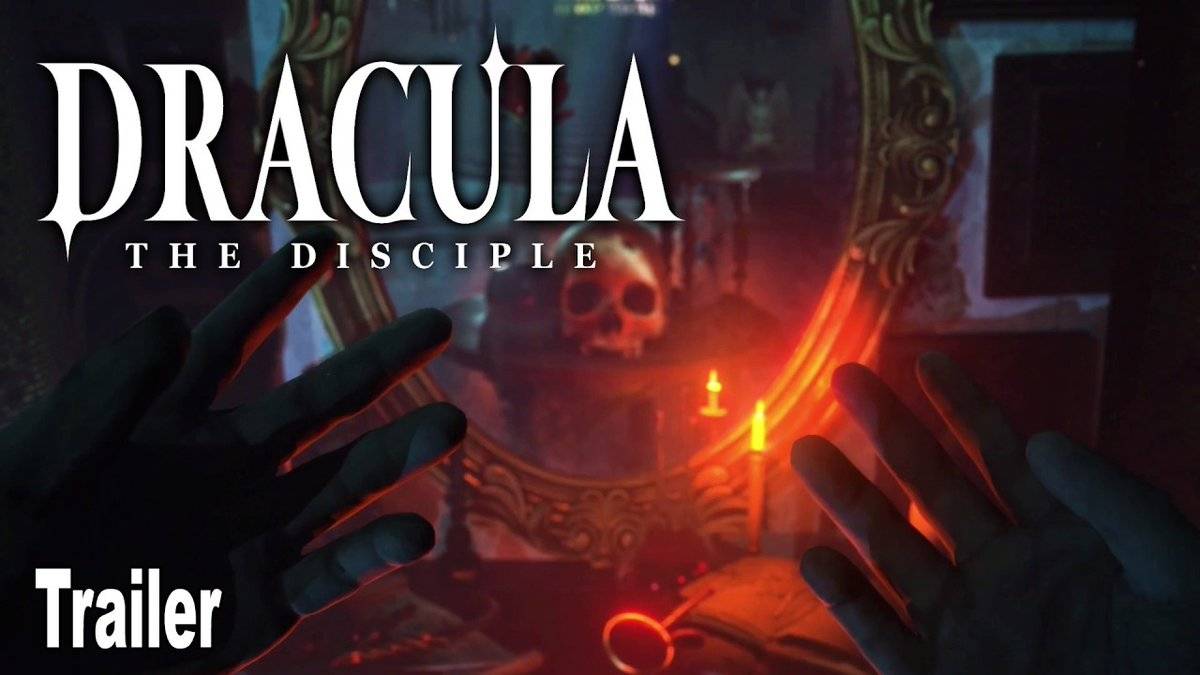
Exploring the Massive Citadel: Day, Night, and Design
Cyanide Studio has designed the castle as a character in its own right. This isn't a linear corridor crawl; it's a massive, interconnected hub of Gothic engineering. From abandoned drawing rooms that still smell of stale perfume to the cold, sterile silence of the astronomy towers, the variety is staggering.
The Environmental Cycle
One of the most innovative features revealed in the Nacon trailer is the Day and Night Cycle. The castle is a living ecosystem that changes based on the time of day:
- During the Day: Areas of the castle flooded with sunlight are "safe zones" for your human side, but lethal for your growing vampiric nature. Shadows hide secrets that are only visible in the harsh light.
- During the Night: The castle "wakes up." Mechanical traps reset, and certain alchemical processes can only be completed under the moonlight. This is when your vampiric powers are at their peak, but the castle's internal defenses—and perhaps other inhabitants—become far more aggressive.
Cyanide Studio’s Pedigree: Why This Works
There is a reason fans of "weird fiction" are excited about this. Cyanide Studio has a history of building atmospheric, choice-heavy adventures. Their work on Call of Cthulhu (2018) proved they could handle sanity-straining investigations and oppressive atmospheres. Dracula: The Disciple feels like a natural evolution of that experience, moving away from Lovecraftian cosmic horror into the visceral, blood-soaked traditions of European Gothicism.
The first-person perspective is a deliberate choice to enhance the sense of "vulnerability." When you are looking through Emile's eyes, seeing his hands shaking as he mixes an alchemical tincture, the stakes feel personal. This isn't a power fantasy—it's a desperate struggle to remain yourself while becoming the thing you fear most.
Anticipating the Launch: What We Know So Far
While the game is still a year away, the Nacon Connect reveal has set the stage for a major 2027 release. The shift toward a puzzle-centric adventure reflects a growing trend in gaming: players want to be the detective/scholar, not just the muscle. By digging through Dracula's research, players are essentially recreating the Count's path to immortality, making the gameplay a meta-commentary on the player's own curiosity.
Quick Facts for Aspiring Disciples:
| Category | Details |
|---|---|
| Release Window | 2027 |
| Developer | Cyanide Studio |
| Genre | First-Person Puzzle Adventure / Gothic Horror |
| Setting | 1866 Transylvania |
| Key Platforms | PC (Steam), PS5, Xbox Series X|S |
Final Verdict: The Legend Reborn
Dracula: The Disciple is shaping up to be more than just another vampire game. It is an exploration of science vs. superstition, life vs. undeath, and the weight of legacy. If you enjoy the atmosphere of Resident Evil Village but want the deep, research-based puzzles of Amnesia or The Room, this is a title you need to keep on your radar for 2027.
Count Dracula may be absent from the castle, but his shadow is everywhere. The question is: when you finally find the cure, will there be enough of Emile Valombres left to enjoy it?
Stay tuned for more updates on Nacon Connect 2026 releases and deep-dives into the world of Gothic horror.