Double Fine’s Kiln Turns Pottery Into a Multiplayer Party Brawler Built for Creative Chaos
Meta Description: Kiln is Double Fine’s new multiplayer pottery brawler, combining clay-based character creation, social party gameplay, moderation tools, and a handmade artistic style that sets it apart from typical online games.
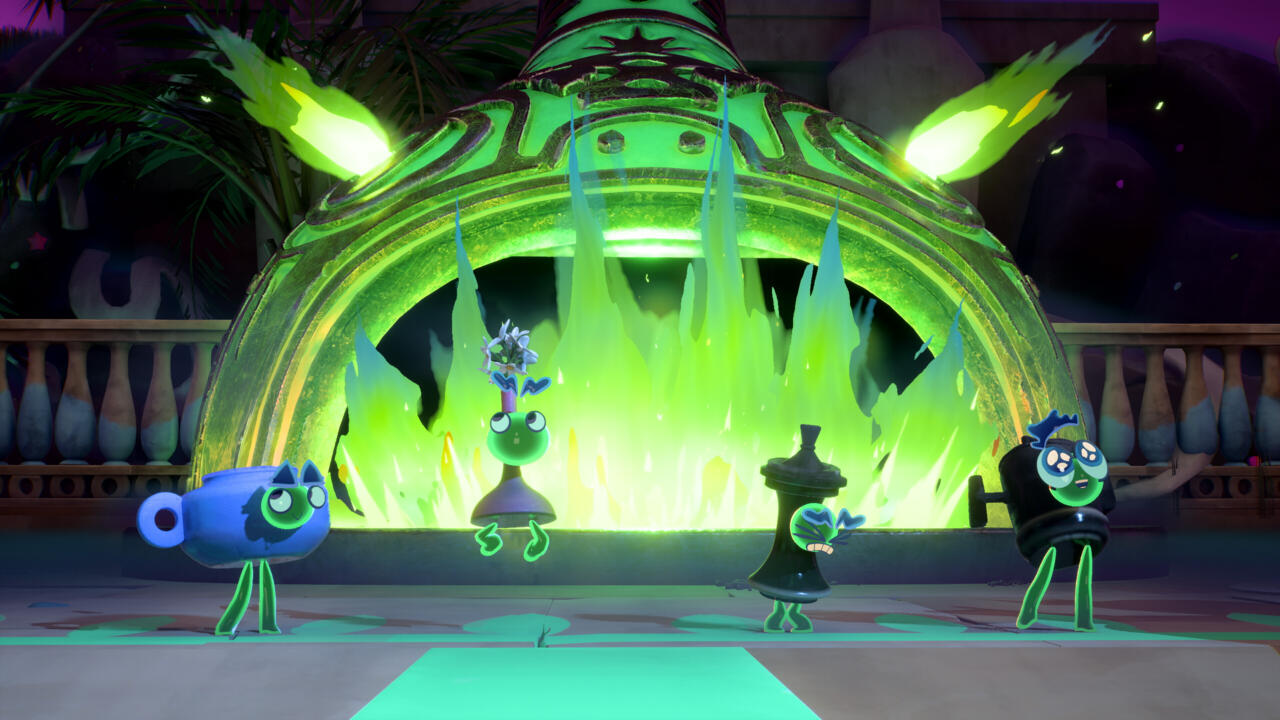
Kiln is one of those games that sounds strange the moment you try to explain it. It is a multiplayer party brawler where players create clay figures, decorate them, share them, and send them into battle. On paper, that might sound like a joke. In practice, it is exactly the kind of unexpected idea that has helped Double Fine remain one of the most distinctive studios in the industry.
Rather than following the safest path, Double Fine is using Kiln to explore a different kind of multiplayer experience. This is not a game built around military realism, fantasy loot grinding, or competitive esports. It is a game about creativity, personality, and the joy of making something weird with your friends.
That alone makes Kiln stand out. Modern multiplayer games often compete for attention with huge content roadmaps, ranked modes, cosmetic stores, and seasonal updates. Kiln appears to be aiming for something more relaxed and more personal. It wants players to gather, create, laugh, trade, and fight using handmade pottery creatures that reflect their own sense of humor and style.
From Game Jam Prototype to Full Multiplayer Game
Kiln started as a prototype during one of Double Fine’s internal game jams. These events allow developers to experiment with unusual concepts that might not appear in a standard production schedule. For Kiln, the original spark was simple: give players a way to build their own strange characters and then battle them against each other.
That idea could have gone in many directions, but pottery became the key. Instead of asking players to use complex modeling tools, Double Fine designed the creation system around shaping clay. This made the process more approachable for controller users while also giving the game a unique artistic identity.
The development team eventually researched real pottery more deeply, including taking pottery lessons and studying the physical process of turning clay into finished pieces. That research helped shape the final game. Kiln is not trying to be a serious pottery simulator, but it does draw from the real craft: forming clay, glazing, firing, and watching a rough object transform into something complete.
This transformation is central to the game’s appeal. Players start with something raw and malleable, then slowly turn it into a creature that feels like their own. That process gives Kiln a tactile quality that many character creators lack.
A Creative Tool Disguised as a Party Game
What makes Kiln interesting is that its creation system is not just a side feature. It is the heart of the experience. Many games include character customization, but those systems usually focus on appearance rather than expression. Players choose hair, outfits, colors, or accessories from a menu. Kiln goes further by letting players shape the form itself.
That makes every creation feel more personal. A player can make something elegant, something monstrous, something cute, or something completely ridiculous. The game does not seem interested in telling players what a “good” creation should look like. Instead, it gives them the freedom to experiment.
This freedom is important because it changes the social dynamic. When friends gather in Kiln, the question is not only who wins the fight. It is also who made the funniest creature, who created the strangest shape, and who managed to turn a lump of clay into something unexpectedly memorable.
In that sense, Kiln is part game, part toy box, and part social space. Its success will likely depend on how much players enjoy the act of making things as much as the act of battling.
Why Kiln Feels Different From Typical Multiplayer Games
Most multiplayer games are built around mastery. Players learn maps, improve aim, unlock gear, optimize strategies, and climb ranks. Kiln seems to operate with a different goal. It wants to be approachable, goofy, and easy to enjoy with friends.
That does not mean there is no skill involved. A good party brawler still needs strong controls, readable action, and enough depth to stay fun after the first session. However, Kiln’s personality comes from its creative layer. The battle is only one part of the experience. The moments before and after the fight may be just as important.
The lobby space plays a major role in this. Players can create together in a low-pressure environment, look at each other’s pottery, share their work, and prepare for the next round. This makes Kiln feel less like a pure competitive game and more like a hangout game with brawling attached.
That could help it appeal to players who want multiplayer games without the stress of high-level competition. Not every online game needs to feel intense. Some simply need to create the right conditions for friends to have a memorable night.
Double Fine’s Weirdness Survives Inside Xbox
One of the most interesting questions around Kiln is what it says about Double Fine’s future under Microsoft. When a studio known for odd, personal games becomes part of a major corporation, fans often wonder whether that studio will still be allowed to take creative risks.
Kiln suggests that Double Fine is still able to make unusual projects. The game does not look like a generic corporate product. It is too specific, too strange, and too artist-driven for that. Its entire identity depends on trusting players to enjoy something unconventional.
That is encouraging for fans of the studio. Double Fine’s value has never been about making the biggest or safest games. Its value comes from perspective. The studio often makes games that feel like they could only come from a particular group of artists and designers. Kiln continues that tradition.
It also arrives at a time when many players are asking for games that feel more human. As conversations around automation, AI, and corporate production grow louder, a game centered on handmade creativity feels especially relevant. Kiln is literally about shaping something by hand, even if those hands are holding a controller.
Moderation Without Killing Player Expression
Any multiplayer game that allows user-generated content must answer a difficult question: how much freedom should players have? Give players too little freedom, and the creative system becomes boring. Give them too much freedom without safeguards, and the community can become unpleasant or unsafe.
Kiln tries to solve this by separating creative freedom from visibility. Instead of heavily restricting what players can make, the game gives players tools to avoid content they do not want to see. This includes safer modes where player-made creations from others can be hidden, as well as reporting systems for problematic content.
This is a smart approach for a game like Kiln. The whole point is to let players create surprising things. If the tools are limited too aggressively, the game loses its identity. By focusing on player control and moderation options, Double Fine can protect the experience without flattening the creativity that makes it special.
This balance will be important after launch. Community-driven games can evolve quickly once players get access to creative tools. Kiln will need active moderation, clear reporting systems, and thoughtful updates to keep its multiplayer space welcoming.
Rare’s Support Could Help Kiln Succeed Online
Double Fine is not known primarily as a large-scale multiplayer studio, so Kiln represents a significant technical challenge. Online games require reliable networking, server infrastructure, moderation systems, player communication tools, and ongoing support. To help with that, Rare has provided development support.
Rare’s experience with Sea of Thieves makes that collaboration valuable. Sea of Thieves is built around shared online spaces, player interaction, community management, and long-term support. Those lessons are relevant to Kiln, even though the games are very different in tone and structure.
This kind of internal support could be one of the benefits of being part of Xbox Game Studios. Double Fine can keep its creative identity while receiving help in areas where another studio has more experience. If that support results in smoother online play and better community tools, Kiln will be stronger for it.
Not a Traditional Live-Service Game
Kiln is online, multiplayer-focused, and planned for future updates, but it does not appear to be following the standard live-service formula. Double Fine is not positioning the game around battle passes, seasonal grinds, or constant limited-time pressure.
That could be a relief for players who are tired of games that demand daily attention. Kiln’s future support sounds more focused on adding useful content over time: new maps, decorations, features, and other creative tools. This gives the game room to grow without turning it into a checklist of chores.
The challenge will be pacing. A social multiplayer game needs enough fresh content to keep players returning, but too much pressure can overwhelm both the developers and the community. Double Fine appears to be taking a sustainable approach, which may fit Kiln’s smaller-team personality better than an aggressive live-service model.
Could Kiln Become the Next Great Friend Group Game?
In recent years, many players have gravitated toward casual multiplayer games that are less about winning and more about laughing with friends. These games often become popular because they create funny stories. A strange accident, a bad decision, a ridiculous custom creation, or a chaotic group moment can be more memorable than a perfect victory.
Kiln has the ingredients to fit into that category. The pottery system gives players something to talk about before the match even begins. The brawling gives those creations a reason to exist. The social space gives friends a place to interact. Together, those parts could make Kiln a strong hangout game.
The game’s biggest advantage is that players generate much of the humor themselves. Double Fine can provide the tools, but the community will create the moments that spread online. If players start sharing screenshots, clips, and stories about their strangest pottery creatures, Kiln could find an audience beyond traditional Double Fine fans.
Why Kiln Matters
Kiln matters because it represents a kind of game that the industry still needs. Not every release has to be a massive cinematic blockbuster, a competitive shooter, or a survival crafting hit. There is still room for smaller, stranger ideas that trust players to be creative.
Double Fine has always understood that games can be playful in ways other media cannot. Kiln takes that philosophy and applies it to a multiplayer format. It asks a simple question: what if making the character was just as fun as using it?
That question gives the game a clear identity. Kiln is not trying to be everything to everyone. It is trying to be a space where players can make odd little clay creations, show them to friends, and enjoy the chaos that follows.
Final Thoughts
Kiln may be one of Double Fine’s most unusual projects, but it also feels deeply connected to the studio’s strengths. It is imaginative, expressive, funny, and built around an idea that sounds strange until you see how much potential it has.
The game’s pottery creation system could give it lasting appeal, especially if players enjoy sharing their designs and experimenting with new shapes. Its multiplayer brawler structure gives those creations energy, while its social features make it a natural fit for friend groups looking for something lighthearted.
With moderation tools, planned updates, dedicated servers, and support from Rare, Kiln appears to have the foundation it needs to become more than a novelty. Its success will depend on whether players embrace the creativity at its core.
If they do, Kiln could become one of the most memorable multiplayer games in Double Fine’s history: a handmade, clay-covered, chaotic celebration of weird ideas and the people who love making them.